Golf tournaments present bettors with a challenge that is different from many other sports. The playing…
How to Bet NBA Games After Overtime: Identifying Fatigue Spots Smart Bettors Watch
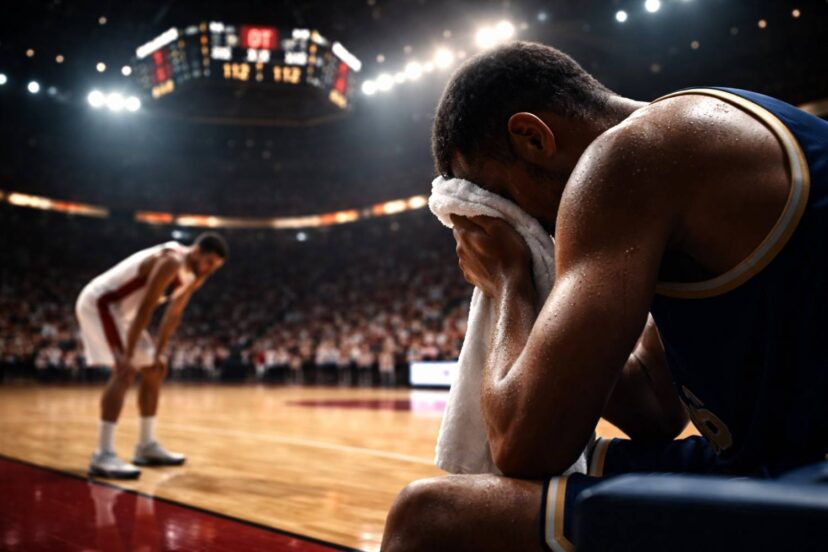
Overtime games are some of the most exciting moments in professional basketball. The pace intensifies, star players stay on the floor longer than usual, and the emotional pressure of late-game possessions pushes athletes to their limits. While fans enjoy the drama, bettors often overlook an important factor: the lingering effects of those extra minutes.
Understanding how to bet NBA games after overtime can reveal subtle opportunities that the broader betting market does not always fully account for. Overtime adds additional physical strain, often forces coaches to extend their starters’ minutes, and sometimes creates difficult travel and recovery situations before the next game. When teams have limited time to recover, performance in the following matchup can be affected in ways that create value for attentive bettors.
The key is not simply knowing that a team played overtime. Instead, successful bettors analyze the context around the overtime game, including player workloads, upcoming travel schedules, rest days, and the depth of the roster. These factors combine to determine whether the extra five minutes are likely to have a measurable impact.
In this guide, we will explore the practical side of how to bet NBA games after overtime, including why overtime fatigue matters, which situations create the most reliable betting opportunities, and how to structure a simple approach to evaluating these spots during the NBA season.
Why Overtime Games Can Create Fatigue
An overtime period may only last five minutes, but those extra minutes often come after players have already pushed through a full forty-eight minutes of intense competition. In many cases, the athletes on the floor during overtime are the same starters who carried the workload during the rest of the game. That added strain can lead to fatigue that shows up in the next matchup.
Before discussing betting strategies, it helps to understand the physical and mental demands created by overtime games. These factors explain why certain teams may struggle in their next contest.
Extra Minutes for Star Players
When a game enters overtime, coaches typically rely heavily on their best players. Rotations shrink, bench players sit longer, and the stars remain on the court because every possession becomes critical.
It is common for a star player to log 40 to 45 minutes in a close overtime contest. When several players on the same team reach those totals, the overall physical workload rises dramatically.
To evaluate this properly, bettors should examine the box score from the overtime game and note the minutes played by each starter. If multiple players logged unusually high minutes, it increases the likelihood that fatigue could influence performance in the next game.
Emotional and Mental Drain
Overtime games are not just physically demanding; they also require tremendous mental focus. Players must execute under intense pressure during the final possessions of regulation and overtime. The emotional swings in these games can be exhausting.
A team that just escaped with a dramatic win or suffered a heartbreaking loss may experience a natural emotional dip in the following game. This emotional component can be particularly relevant when the next matchup occurs quickly.
Limited Recovery Time
The NBA schedule is known for its density. Teams frequently play games every one or two days, and travel is often required between cities.
If an overtime game occurs late at night and the team must travel shortly afterward, recovery becomes more difficult. Players may have less time for rest, treatment, and preparation for the next opponent. That reduced recovery window can affect both energy levels and overall performance.
When Overtime Fatigue Matters Most
While overtime games can create fatigue, not every situation produces a meaningful betting opportunity. Some teams have deep benches, others enjoy multiple rest days after the overtime game, and some players recover quickly.
For bettors trying to understand how to bet NBA games after overtime, identifying the right circumstances is far more important than simply reacting to the overtime result itself.
The following situations tend to produce the most reliable fatigue spots.
Overtime Before a Back-to-Back Game
One of the most significant scheduling challenges in the NBA occurs when teams play games on consecutive days. When overtime is added to the first game of a back-to-back, players often enter the next matchup with very little recovery time.
To evaluate this situation, start by reviewing the team’s schedule. If the overtime game occurred the night before the next contest, especially with travel involved, fatigue becomes a much more relevant factor.
In these situations, players may experience slower starts, reduced defensive intensity, or lower shooting percentages due to tired legs.
Starters Playing Heavy Minutes
The minutes played by key players in the overtime game can strongly influence the next game’s outcome.
When reviewing the box score, focus on starters who exceeded their usual playing time. If several players logged unusually high minutes, it indicates that the team relied heavily on its primary rotation.
This can create a disadvantage in the next matchup, particularly if the opposing team had a lighter workload in its previous game.
High-Intensity Overtime Games
Not all overtime games are equal. Some involve intense rivalry matchups, dramatic comebacks, or highly competitive late-game sequences. These emotionally charged contests can drain players more than routine regular season games.
If a team just played an overtime game with playoff-like intensity, there is a greater chance that the next game will involve a drop in energy or focus.
How Sportsbooks Adjust to Overtime Games
Sportsbooks are aware that overtime games may influence performance in the following matchup. However, the adjustments made to betting lines are often limited.
Oddsmakers must balance several factors when setting lines, including overall team strength, recent performance, and market expectations. While overtime fatigue is a real factor, it is difficult to quantify precisely.
Because of this uncertainty, line adjustments related to overtime games are often modest. This means that the betting market may not fully reflect the potential impact of fatigue.
For bettors studying how to bet NBA games after overtime, this limited adjustment can create opportunities. When the market underestimates fatigue effects, value may exist on the opposing team or in other betting markets such as totals or first-half lines.
A Simple Strategy for Betting After Overtime
Once you understand why overtime games can create fatigue, the next step is developing a repeatable process for identifying potential betting spots.
The goal is not to bet every team coming off overtime. Instead, the objective is to evaluate several key factors and determine whether the situation creates a meaningful disadvantage for the overtime team.
The following steps outline a straightforward approach to analyzing these games.
Step 1 – Identify the Overtime Game
Begin by reviewing the previous day’s NBA results and identifying teams that played overtime.
Sports websites and box scores clearly mark games that went into overtime, making this step easy to complete. Keep a simple list of teams that played extra minutes.
Step 2 – Review Player Minutes
Next, examine the box score and focus on the minutes played by starters.
If several starters logged more than forty minutes, the team likely experienced a higher level of physical strain. This becomes even more important when those players carry large offensive or defensive responsibilities.
Tracking minutes is one of the most practical ways to estimate fatigue.
Step 3 – Evaluate the Next Game Schedule
After identifying the overtime team, examine the schedule for the following game.
Important factors include:
- Whether the next game occurs the following night
- Whether the team must travel
- Whether the opponent had additional rest
If the overtime team faces a rested opponent while dealing with travel or limited recovery time, the situation becomes more attractive from a betting perspective.
Step 4 – Compare the Betting Line
Once the scheduling factors have been analyzed, review the point spread and total for the upcoming game.
Look for situations where the overtime team is still favored despite potential fatigue concerns. In some cases, public perception may continue to support the stronger team, even though the schedule favors the opponent.
These situations can create value opportunities.

Best Bet Types After Overtime Games
Understanding how to bet NBA games after overtime also involves choosing the right betting markets. Different types of wagers may benefit from fatigue in different ways.
Rather than focusing only on full-game spreads, bettors should consider several options when evaluating these situations.
Betting the Opponent Against the Spread
One of the most common approaches is backing the opponent against the spread.
Fatigued teams sometimes struggle to maintain their usual defensive intensity or shooting efficiency. Over the course of a full game, these small declines can allow the opponent to cover the spread or win outright.
When the overtime team is favored, this approach can be particularly appealing.
First-Half Betting Opportunities
Fatigue often appears early in games, especially when teams are playing the second game of a back-to-back.
Players may start slowly as they adjust to the physical demands of another game. First-half betting lines can sometimes capture this early advantage before the overtime team settles into a rhythm.
Monitoring first-quarter or first-half lines can therefore provide additional opportunities.
Game Totals
Another angle involves betting on totals.
Teams coming off overtime games sometimes shoot less efficiently due to tired legs. Jump shots may fall short, and offensive pace can slow down.
When combined with scheduling challenges, these factors may contribute to lower scoring games.
Example of an Overtime Fatigue Spot
To illustrate how these factors come together, consider a typical scheduling scenario.
Imagine a team plays a close overtime game in Los Angeles. Two star players each log more than forty minutes, and the game finishes late in the evening.
The next day, the team travels to play in Denver against a rested opponent.
In this situation, several fatigue indicators are present:
- High minutes for key players
- Travel between cities
- Limited recovery time
- A rested opponent
If the betting market continues to price the overtime team as a strong favorite, the opposing team may offer value.
This type of scenario is exactly what bettors look for when studying how to bet NBA games after overtime.
Situations to Avoid
While overtime games can create valuable betting opportunities, there are also situations where fatigue is unlikely to have a meaningful impact.
Understanding these exceptions is important for maintaining discipline.
Teams with Deep Rotations
Some NBA teams rely heavily on bench players and maintain balanced rotations. When overtime occurs, these teams may distribute minutes more evenly across the roster.
As a result, no single player experiences an extreme workload.
Extended Rest Periods
If a team has two or three days off after the overtime game, most fatigue effects will disappear.
Players have ample time for recovery, practice, and travel.
Younger Rosters
Teams with younger players often recover more quickly from heavy workloads. Athletic conditioning and energy levels can reduce the impact of overtime minutes.
In these cases, overtime fatigue may not create a significant betting edge.
Conclusion
Overtime games add excitement to the NBA schedule, but they also introduce additional physical and emotional demands for the players involved. When those extra minutes are followed by limited recovery time, travel, or difficult scheduling spots, performance in the next game can be affected.
Learning how to bet NBA games after overtime allows bettors to identify these subtle scheduling disadvantages before the broader market fully adjusts. By paying attention to player minutes, travel schedules, rest days, and opponent preparation, bettors can recognize situations where fatigue may influence the outcome.
Over the course of a long NBA season, consistently identifying these spots can provide a small but meaningful advantage. Like many successful betting strategies, the edge does not come from dramatic predictions but from careful observation of details that others may overlook.
Before You Go…
Get Weekly Winning Angles Delivered to You
Enjoy this article? Join the Core Sports Betting newsletter where we break down actionable strategies, betting angles, and real-game insights.
Some of the concepts we touch on each week can evolve into full handicapping systems – the kind you can test, refine, and potentially build into long-term edges.
Simple. Practical. No fluff.
Proven Sports Betting Courses
Looking to go deeper?
Our step-by-step courses are built around structured systems – not guesses or opinions. Each course has been backtested over a minimum of 10 years, giving you a clear understanding of how the strategy has performed over time.
If you’re serious about improving your process, these courses show you exactly how to approach betting with discipline and structure.
Free Betting Calculators to Sharpen Your Edge
Want to make smarter, faster decisions?
Our free tools help you quickly calculate odds, payouts, and true value — without the guesswork.
Try these popular calculators:
- Moneyline Calculator
- Parlay Calculator
- No-Vig Odds Calculator (Find True Odds)
- Kelly Criterion Calculator
→ Visit the Betting Tools Hub to access all calculators
Like this article? Pin it on Pinterest!


More to Explore