Golf tournaments present bettors with a challenge that is different from many other sports. The playing…
How Goalie Workload Affects NHL Betting
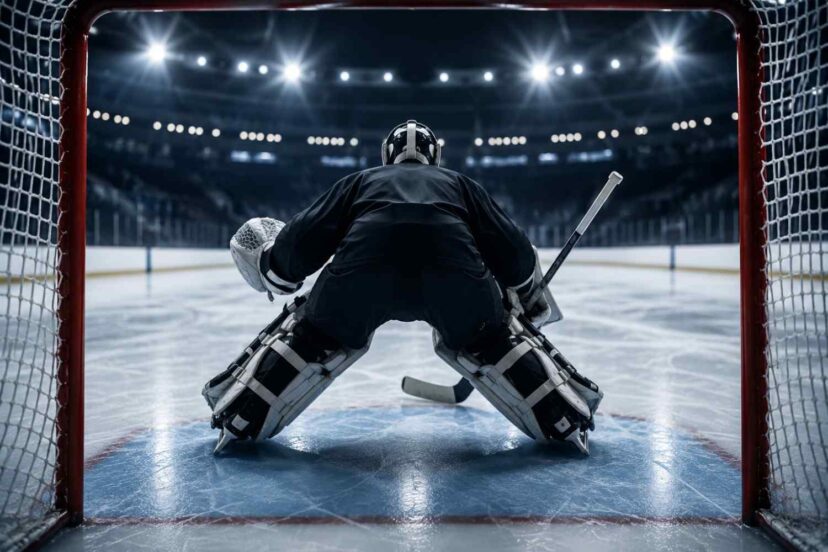
The National Hockey League is one of the most demanding professional sports leagues in the world. Teams play an 82-game regular season that includes long road trips, frequent travel, back-to-back contests, and very little recovery time between games. While bettors often spend hours researching offensive production, power-play efficiency, injuries, and recent team form, one factor is frequently overlooked: the workload of the starting goaltender.
Understanding goalie workload NHL betting can help bettors recognize situations where fatigue may influence a game’s outcome. A goaltender who has carried the load for several consecutive games may not react with the same speed or maintain the same consistency as one coming into a game after several days of rest. Although sportsbooks account for announced starting goalies, they cannot perfectly measure how recent workload might affect performance. This is where careful research can provide an advantage.
That does not mean bettors should automatically wager against every goalie making multiple starts in a short period. Hockey is far too unpredictable for any single statistic to guarantee success. Instead, goalie workload should be viewed as one important piece of a larger handicapping process. When combined with schedule analysis, team injuries, recent performance, and other advanced statistics, it can help paint a much clearer picture of the matchup.
This article explores why goalie workload matters, how fatigue develops over the course of a season, what warning signs to look for, and how bettors can incorporate this information into a consistent NHL betting strategy.
Why Goalie Workload Matters
Goaltenders occupy one of the most physically and mentally demanding positions in professional sports. While skaters rotate throughout the game and often receive several minutes of rest between shifts, a starting goalie remains on the ice from the opening faceoff until the final horn. Every shot, rebound, screen, and odd-man rush demands complete concentration.
Many casual bettors assume that a professional athlete should recover quickly because of elite conditioning. While NHL players certainly maintain outstanding fitness, fatigue is not simply about physical exhaustion. Mental focus, reaction time, confidence, and decision-making can all fluctuate after extended periods of heavy use.
A goalie may face thirty or forty high-speed shots in a single night while constantly tracking pucks through heavy traffic. Every save requires explosive movement, balance, and anticipation. Small delays of only a fraction of a second can be the difference between making a highlight-reel save and allowing a goal.
The NHL schedule only increases these demands. Teams routinely play multiple games within a single week, often traveling hundreds or even thousands of miles between cities. Crossing multiple time zones can affect sleep schedules, recovery, and preparation. Even if a goaltender feels physically healthy, reduced recovery time may slowly affect overall performance.
Another factor that deserves attention is the emotional component of playing goal. Every mistake is magnified because it often results directly in a goal against. A skater can recover from a turnover with another shift a few minutes later. A goaltender carries every goal allowed for the remainder of the game, making mental resilience just as important as physical conditioning.
This is one reason NHL coaches increasingly rely on tandem goalie systems. Instead of asking one netminder to play 70 or more games, many organizations divide starts between two capable goalies to preserve energy over the course of the season. Teams recognize that keeping their starter fresh in March may produce better performances in April than simply maximizing starts during the winter months.
For bettors, understanding these coaching decisions provides valuable context. A goalie making his seventh appearance in nine games may still perform well, but the probability of fatigue affecting his play is likely greater than that of a goalie returning after several days of rest.
Signs a Goalie May Be Fatigued
Fatigue is not always obvious when reviewing basic statistics. A goalie may still own an excellent save percentage while gradually wearing down over several weeks. Instead of relying on one number, bettors should evaluate several indicators together before reaching a conclusion.
The following situations do not automatically signal that a poor performance is coming. Rather, they identify circumstances where fatigue may deserve additional attention as part of a broader handicapping process.
Multiple Starts in a Short Period
One of the easiest indicators to monitor is the number of recent starts. If a goalie has started four or five games within a week, his workload has naturally increased.
Every NHL game places significant stress on the hips, knees, groin, and lower back because of the constant butterfly movements and lateral pushes required to cover the crease. Those physical demands accumulate over time, particularly during stretches with little opportunity for recovery.
When reviewing upcoming games, take a few moments to examine the previous week’s schedule. A compressed schedule may provide useful insight into whether fatigue could become a factor.
Consecutive Starts
Some coaches continue riding a goalie who is performing well, especially during winning streaks. While this approach can build confidence, it also increases the possibility of physical and mental fatigue.
Several consecutive starts often include repeated travel, practices, media obligations, and game preparation. Even if the goalie continues posting strong numbers, the workload continues to build beneath the surface.
A bettor should not automatically fade a goalie simply because he has started several games in a row, but it is certainly worth noting when comparing both teams.
Heavy Travel Schedules
Travel is often underestimated by bettors.
An NHL team may finish a game late at night, board a flight immediately afterward, arrive in another city during the early morning hours, attend meetings the following afternoon, and play again less than twenty-four hours later.
While every player experiences this schedule, goaltenders often shoulder greater mental responsibility because they remain engaged throughout the entire contest.
Long road trips involving multiple cities can gradually wear down even experienced veterans. Teams traveling across several time zones may require additional adjustment before performing at their highest level.
Overtime Games
A sixty-minute game already demands sustained focus. When overtime is added, the physical and mental requirements become even greater.
Modern three-on-three overtime produces constant odd-man rushes and high-quality scoring chances. Goalies must remain alert while facing some of the most dangerous situations of the evening.
Although overtime only adds a few minutes to the official game clock, the intensity of those minutes is often much greater than regulation play.
If a goalie has recently participated in multiple overtime contests, it may be worthwhile to consider whether those additional minutes have increased his overall workload.
High Shot Volume
The number of starts tells only part of the story.
Imagine two goalies who have each started three games during the past week.
One goalie faced 27 shots, 29 shots, and 31 shots.
The other faced 44 shots, 42 shots, and 46 shots.
Both technically played the same number of games, yet one experienced substantially more physical activity and sustained concentration.
Every additional shot represents another scoring opportunity that requires tracking, positioning, and recovery. A goalie consistently facing forty or more shots is naturally working much harder than one protected by a defensively responsible team.
This is one reason experienced bettors often evaluate shot volume alongside games played rather than relying solely on recent starts.
Facing Several Elite Offenses
Not all games require the same level of effort.
A matchup against one of the league’s highest-scoring teams often demands much greater concentration than a game against a club struggling to generate offense.
Facing explosive offenses on consecutive nights can quickly increase mental fatigue. Constant penalty kills, odd-man rushes, and extended defensive-zone pressure force goalies to remain engaged from start to finish.
When reviewing recent schedules, consider not only how many games a goalie has played but also the quality of the opponents faced. Three games against Stanley Cup contenders may require considerably more effort than three games against rebuilding clubs.
Recognizing these subtle differences can help bettors better understand why identical workloads on paper may produce very different levels of fatigue in practice.
Back-to-Back Games and NHL Betting
Few scheduling situations receive more attention from NHL bettors than back-to-back games. They occur regularly throughout the season and force coaching staffs to make important decisions regarding their starting goaltenders. Understanding how teams manage these situations can provide valuable context before placing a wager.
Most organizations now employ a tandem approach rather than relying almost exclusively on one starter. Even elite goaltenders rarely play every game during a back-to-back set because coaches understand the importance of preserving energy over the course of an 82-game season. That said, there are still occasions when a coach chooses to start the same goalie on consecutive nights. This often happens when the team is battling for playoff positioning, the goalie is playing exceptionally well, or the backup has struggled throughout the season.
From a betting standpoint, these situations deserve closer inspection rather than automatic assumptions. Some bettors immediately fade a goalie making consecutive starts, believing fatigue alone creates value. Others ignore the schedule entirely and focus only on season statistics. The most effective approach typically falls somewhere in the middle.
Consider the circumstances surrounding the games. Did the first contest require overtime? Was the goalie forced to make forty-plus saves? Did the team travel overnight to another city? Is the second opponent significantly stronger offensively? These details often matter more than simply seeing “back-to-back” listed on the schedule.
Home-and-home series present another interesting scenario. Two division rivals may face one another on consecutive nights while alternating home ice. Coaches become familiar with the opposing shooters, but the goaltender also experiences another physically demanding game with very little recovery time. If the first meeting featured numerous scoring chances or extended defensive-zone pressure, fatigue could become a greater concern in the rematch.
Backup goaltenders also create unique betting opportunities. Public perception sometimes overreacts when a backup receives the starting assignment, causing sportsbooks to adjust the betting line more aggressively than necessary. While some backups are clearly a step below the starter, many teams now carry capable second goaltenders who can deliver strong performances when properly rested.
This creates an interesting question for bettors. Would you rather back a rested backup playing his first game in five days or a starter making his fifth appearance in seven nights? There is no universal answer, but evaluating the entire situation often produces better decisions than relying solely on each goalie’s reputation.
The NHL season is a marathon rather than a sprint. Coaches understand that preserving their starting goalie for the long term is often more valuable than squeezing out one additional regular-season victory. Bettors who recognize these management patterns may identify situations where the betting market places too much emphasis on a team’s starting goalie without fully considering recent workload.
Shot Volume Can Matter More Than Games Played
Many bettors begin evaluating goalie fatigue by counting recent starts. While that is certainly useful, it tells only part of the story. Two goalies can start the exact same number of games while experiencing vastly different levels of physical and mental stress.
This is where shot volume becomes an important statistic to examine.
Every shot requires the goalie to track the puck, establish proper positioning, react to changes in direction, control rebounds, and recover for the next scoring chance. A routine wrist shot from the blue line demands much less effort than a rebound scramble with multiple second and third opportunities, but every save still requires concentration.
Imagine the following example.
Goalie A started three games during the past week and faced:
- 28 shots
- 30 shots
- 29 shots
Goalie B also started three games but faced:
- 43 shots
- 45 shots
- 41 shots
At first glance, both goalies appear to have identical workloads because each started three contests. Looking deeper reveals a much different picture. Goalie B was required to make over forty additional saves during the same period. That represents many more butterfly drops, lateral movements, recoveries, and split-second decisions.
High shot totals frequently indicate that a team spent extended periods defending in its own zone. This places additional stress on the goaltender because sustained pressure often produces traffic in front of the net, rebounds, screens, and rapid puck movement across the offensive zone.
The quality of those shots also deserves consideration. Some teams generate a large number of low-danger perimeter attempts, while others consistently create breakaways, odd-man rushes, and net-front opportunities. Advanced statistics such as expected goals or high-danger scoring chances can provide additional context when available.
Another factor many bettors overlook is rebound control. As fatigue increases, goalies may struggle to direct rebounds safely into the corners or freeze loose pucks. Instead, rebounds remain in dangerous areas, creating second-chance opportunities for opposing offenses.
Reaction time can also decline slightly after extended workloads. The difference may only be a fraction of a second, but NHL shooters possess enough skill to capitalize on even the smallest delay.
This is one reason goalie workload NHL betting should extend beyond simply counting appearances. Evaluating recent shot volume provides a more complete understanding of how much work a goalie has actually performed over the previous week or two.
When researching upcoming games, consider reviewing the number of shots faced during each recent start. It takes only a few extra minutes and often provides valuable insight that basic win-loss records cannot capture.
Statistics Worth Tracking
Goalie evaluation involves much more than looking at wins and losses. Wins depend heavily on goal support, team defense, and special teams, making them an incomplete measure of individual performance.
Instead, bettors should monitor several statistics together. None should be viewed as a perfect predictor by itself, but when combined, they create a much clearer picture of recent workload and current form.
Games Started
The simplest place to begin is with recent starts.
Rather than focusing only on season totals, review how often the goalie has played during the past seven to fourteen days. This provides a much better indication of current workload than total starts accumulated over several months.
Frequent appearances in a short period may increase fatigue, particularly if they include difficult travel schedules or overtime games.
Days of Rest
Rest can be just as important as games played.
A goalie who has enjoyed three or four full days between starts often enters the next game feeling fresher than one playing every other night. Those recovery days allow muscles to recover while also providing valuable practice and video preparation.
Comparing rest days between opposing goalies sometimes reveals meaningful differences that are easy to overlook.
Shots Faced
As discussed earlier, shot volume offers one of the clearest pictures of actual workload.
A goalie consistently facing thirty-five to forty-five shots per game is carrying a heavier burden than one protected by a structured defensive system.
Tracking recent shot totals alongside recent starts helps place each workload into proper context.
Save Percentage
Save percentage remains one of the most useful traditional statistics because it measures how often a goalie stops the puck regardless of offensive support.
While season-long numbers remain valuable, recent save percentage can help identify current form.
If a normally reliable goalie has experienced declining save percentages over several weeks while also handling a demanding schedule, workload may deserve additional consideration.
Goals Against Average
Goals against average should be interpreted carefully because it depends heavily on team defense.
A goalie playing behind an elite defensive club may post an impressive goals against average while facing relatively few dangerous opportunities. Another goalie may allow more goals simply because his team permits constant quality chances.
Rather than using goals against average alone, combine it with shot volume and save percentage for a more balanced evaluation.
High-Danger Scoring Chances
Advanced statistics continue to grow in popularity because they provide greater context than traditional box scores.
High-danger scoring chances measure opportunities generated from the most dangerous scoring areas near the net. Goalies repeatedly facing these situations often experience much greater stress than those seeing routine perimeter shots.
Although these numbers require additional research, they can improve the quality of your handicapping.
Recent Team Defense
Sometimes the goalie is not the entire story.
A team missing two regular defensemen may suddenly allow more odd-man rushes and net-front traffic than usual. Even a well-rested goalie can struggle if the defense repeatedly leaves him exposed.
Evaluating recent defensive performance alongside goalie workload provides a more complete understanding of the matchup.
Collectively, these statistics help bettors move beyond basic season averages and gain a more detailed understanding of how prepared each goalie may be entering the next game.

Situations That May Offer Betting Value
Finding value in NHL betting often comes from recognizing situations that the average bettor overlooks. Goalie workload is rarely the only reason to place a wager, but there are certain scheduling spots where it deserves extra attention.
The following examples illustrate situations that may warrant additional research before making a betting decision. These are not automatic betting systems but rather scenarios that can help identify games worth investigating more closely.
- A road goalie making his fourth start in six nights against a rested home team. Travel combined with limited recovery time can gradually affect performance, especially if the previous games required heavy shot volumes.
- A goalie coming off consecutive overtime appearances. Extra minutes under playoff-like intensity can quietly increase fatigue even if the official game count appears normal.
- The final game of a lengthy road trip. Teams often look forward to returning home after spending a week or more on the road. Fatigue can affect the entire roster, including the starting goalie.
- A rested backup facing a tired starter. Public bettors often place enormous confidence in the bigger-name goalie, even when he has carried a much heavier recent workload.
- A team playing its third game in four nights. This compressed schedule challenges both physical recovery and mental preparation, making it worthwhile to examine how much work the goalie has handled during that stretch.
- Recent defensive struggles combined with heavy goalie usage. A goalie facing forty shots every night because his defense is allowing sustained pressure may eventually begin showing signs of wear.
These situations become even more valuable when supported by additional handicapping factors such as injuries, special teams, home-ice advantage, possession metrics, or scheduling trends. The goal is not to isolate one statistic but to build confidence by allowing several factors to point in the same direction.
When Sportsbooks Already Price This Into the Betting Line
One of the biggest mistakes sports bettors make is assuming they have discovered information that sportsbooks have somehow overlooked. Modern sportsbooks employ experienced oddsmakers, sophisticated computer models, and real-time injury tracking. They know when a starting goalie is confirmed, when a backup is expected to play, and when a team is facing a difficult stretch of games.
Because of this, simply noticing that a goalie is playing for the fourth time in six nights does not automatically create betting value. In many cases, that information has already influenced the moneyline before the public even begins wagering.
The goal is not to find information that sportsbooks are unaware of. Instead, it is to determine whether the betting market has fully accounted for that information.
For example, suppose a star goaltender is announced as the starter after carrying a heavy workload over the previous two weeks. Public bettors may continue backing that team simply because they recognize the goalie’s name and season statistics. The sportsbook may adjust the line slightly, but public money could continue pushing it toward the favorite.
That creates an important question. Has the market placed too much confidence in the reputation of the starting goalie while giving too little attention to his recent workload?
The opposite can happen as well.
If a respected starter receives a scheduled night off and the backup is announced, the betting line may move significantly toward the opposing team. While that adjustment is understandable, it can occasionally become an overreaction if the backup has proven to be reliable and enters the game fully rested.
Successful NHL betting often involves recognizing these situations where perception and reality begin moving in different directions.
It is also important to remember that fatigue does not always produce immediate results. A goalie may play brilliantly despite a demanding schedule because he is technically sound, mentally focused, and supported by excellent team defense. Other times, fatigue may reveal itself through poor rebound control, slower movement across the crease, or difficulty tracking pucks through traffic.
This uncertainty is exactly why workload should never become the only reason for placing a wager. Hockey remains one of the highest-variance sports to handicap, and every betting decision should consider multiple pieces of information before reaching a conclusion.
Building a Goalie Workload Checklist
One of the simplest ways to improve your NHL handicapping is to create a consistent pregame routine. Rather than relying on memory or making decisions based on one statistic, work through the same checklist before every wager. This approach reduces emotional betting while ensuring that important details are not overlooked.
The purpose of the checklist is not to eliminate every losing bet. Instead, it helps organize your research so that each game is evaluated using the same process. Over time, consistency often leads to better decision-making than constantly searching for new betting systems.
A practical goalie workload checklist might include the following questions:
- How many games has the goalie started during the past seven to ten days? This provides an immediate picture of recent usage rather than season-long totals.
- How many shots has the goalie faced recently? Looking beyond starts helps measure the actual amount of work performed.
- Were any of those games decided in overtime? Additional high-pressure minutes can increase fatigue.
- How many days of rest has the goalie received before tonight’s game? Even one extra recovery day may influence performance.
- Is the team playing on consecutive nights or during a compressed portion of the schedule? Tight scheduling places additional stress on both the goalie and the entire roster.
- Has the team traveled extensively during the past week? Long road trips and multiple time zones can gradually reduce energy levels.
- How has the defense been playing recently? Strong defensive play often reduces the workload placed on the goalie.
- Who is the expected starting goalie for the opposing team? Comparing both situations frequently provides more useful information than evaluating only one side.
- Does the betting line appear to have adjusted appropriately? Ask yourself whether recent workload has already been reflected in the odds.
By answering these questions before every NHL wager, you develop a disciplined research process rather than depending on intuition. Some games may produce several favorable indicators, while others reveal reasons to avoid betting altogether.
Many experienced bettors eventually discover that passing on uncertain games is just as valuable as identifying strong opportunities.
Common Mistakes Bettors Make
Even bettors who understand the importance of goalie workload can still fall into predictable traps. Avoiding these common mistakes can improve both research quality and long-term betting discipline.
The first mistake is placing too much importance on one statistic.
A goalie making several consecutive starts is not automatically a poor betting option. If the team has controlled possession, allowed few quality scoring chances, and provided excellent defensive support, the workload may not be nearly as demanding as it appears.
Another common mistake is ignoring recent shot volume.
Three starts are not always equal. A goalie facing forty-five shots every night experiences a much different workload than one consistently seeing twenty-five routine attempts.
Some bettors also overlook travel.
The NHL schedule is demanding, particularly for teams traveling across multiple cities in a short period. Long flights, changing hotels, altered sleep schedules, and limited practice time can gradually affect both physical recovery and mental preparation.
Another mistake involves relying only on season statistics.
Season-long save percentage and goals against average provide useful information, but they may not accurately reflect a goalie’s current condition. Recent performance often offers a more realistic picture of how a goalie is playing entering tonight’s matchup.
Many bettors also become overly influenced by a single outstanding or disappointing performance.
A goalie who records a shutout one night is not guaranteed to repeat that performance two days later. Likewise, allowing five goals in one game does not necessarily indicate that the goalie has suddenly become unreliable.
The final mistake is forcing a wager simply because one workload angle appears favorable.
Sports betting rewards patience. Sometimes the research identifies several positive indicators pointing toward one side. Other times, the information remains mixed, making the best decision no bet at all.
Maintaining discipline often separates successful bettors from those constantly chasing action.
Combining Goalie Workload with Other Handicapping Factors
Goalie workload becomes much more valuable when combined with other proven NHL handicapping factors. Looking at one statistic in isolation rarely tells the complete story, but several indicators pointing in the same direction can increase confidence in a betting decision.
Begin with possession metrics such as Corsi or Fenwick. Teams that consistently control puck possession generally spend less time defending, which naturally reduces pressure on their goaltender.
Next, evaluate special teams.
A club with an excellent penalty kill may protect its goalie from high-quality scoring chances even if it spends time shorthanded. Likewise, an effective power play can generate offensive momentum that limits defensive-zone time.
Injuries deserve close attention as well.
Missing defensemen often affect a goalie’s workload far more than missing a fourth-line forward. Defensive breakdowns create additional odd-man rushes, screens, and rebound opportunities that increase stress throughout the game.
Home-ice advantage remains another valuable consideration.
Playing at home eliminates travel while allowing teams to follow familiar routines. Goalies often benefit from sleeping in their own beds, practicing at their normal facilities, and avoiding long flights between games.
Recent team form should also enter the evaluation.
Is the club controlling play, limiting quality chances, and supporting its goalie? Or has the defense struggled for several weeks, leaving the goaltender under constant pressure?
Finally, compare all of this information with the betting line itself.
Finding value often depends less on predicting the winner and more on determining whether the odds accurately reflect each team’s true chances of success.
When several positive factors align—including recent rest, manageable workload, strong defensive play, favorable scheduling, and fair betting odds—you may have identified a worthwhile opportunity.
Conclusion
Goaltenders remain the single most influential players on the ice during an NHL game. While offense, special teams, injuries, and possession statistics all contribute to the final outcome, the performance of the starting goalie often determines whether a team wins or loses.
Understanding recent workload allows bettors to move beyond simple season statistics and examine the factors that influence nightly performance. Games played, shots faced, travel schedules, overtime appearances, defensive support, and days of rest all contribute to the physical and mental demands placed on a goaltender throughout the season.
The key is maintaining perspective. Fatigue is only one piece of the handicapping process, and no single statistic guarantees profitable results. Instead, treat goalie workload as another valuable tool that complements your existing research rather than replacing it.
As you continue building your NHL betting process, spend a few extra minutes evaluating recent goalie usage before placing each wager. Over the course of a long season, those small details can help you better understand matchups that many casual bettors overlook.
By incorporating goalie workload NHL betting into a disciplined handicapping routine, you can make more informed decisions, recognize situations where fatigue may influence performance, and approach every NHL game with a deeper understanding of the factors that shape the betting market.
Before You Go…
Get Weekly Winning Angles Delivered to You
Enjoy this article? Join the Core Sports Betting newsletter where we break down actionable strategies, betting angles, and real-game insights.
Some of the concepts we touch on each week can evolve into full handicapping systems – the kind you can test, refine, and potentially build into long-term edges.
Simple. Practical. No fluff.
Proven Sports Betting Courses
Looking to go deeper?
Our step-by-step courses are built around structured systems – not guesses or opinions. Each course has been backtested over a minimum of 10 years, giving you a clear understanding of how the strategy has performed over time.
If you’re serious about improving your process, these courses show you exactly how to approach betting with discipline and structure.
Free Betting Calculators to Sharpen Your Edge
Want to make smarter, faster decisions?
Our free tools help you quickly calculate odds, payouts, and true value — without the guesswork.
Try these popular calculators:
- Moneyline Calculator
- Parlay Calculator
- No-Vig Odds Calculator (Find True Odds)
- Kelly Criterion Calculator
→ Visit the Betting Tools Hub to access all calculators
Like this article? Pin it on Pinterest!


More to Explore