Golf tournaments present bettors with a challenge that is different from many other sports. The playing…
How Defensive Errors Affect College Baseball Betting
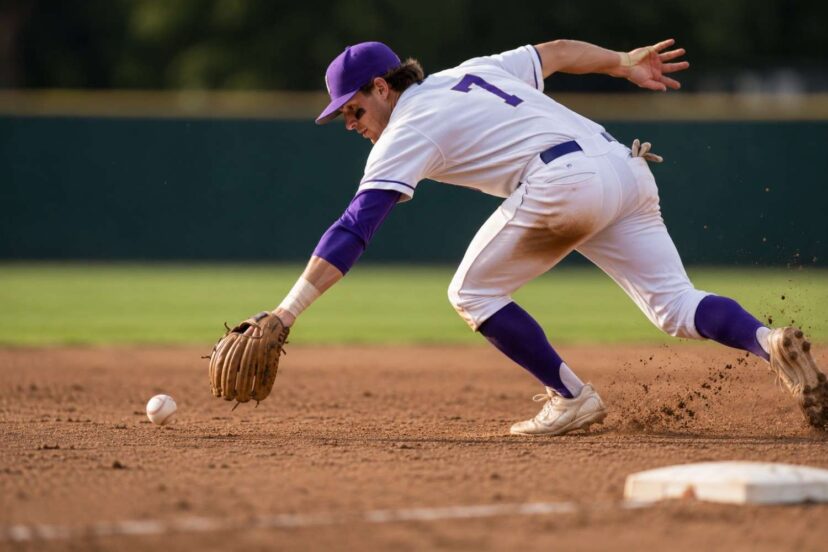
College baseball betting can be one of the most unpredictable areas in sports wagering. Many bettors spend most of their time studying starting pitchers, batting averages, bullpen ERA, and offensive matchups while overlooking one of the biggest momentum changers in the sport: defensive mistakes. Understanding how defensive errors affect college baseball betting can help bettors identify games that may become far more volatile than the betting market originally expected.
Unlike Major League Baseball, college baseball features younger players who are still developing consistency in the field. Some teams are extremely disciplined defensively, while others struggle with routine plays, throwing accuracy, communication, and pressure situations. A single error in college baseball often creates a chain reaction that completely changes the direction of a game. An inning that should have ended quietly can suddenly become a five-run disaster after one misplayed ground ball or bad throw.
For bettors, this matters tremendously. Defensive breakdowns can ruin under wagers, shift moneyline outcomes, increase bullpen usage, and create live betting opportunities that are not always reflected quickly by sportsbooks. While casual bettors often focus heavily on offense and pitching, experienced handicappers understand that fielding quality can quietly decide many college baseball games over the course of a season.
This article will explain how defensive errors affect college baseball betting, which defensive statistics matter most, how to identify vulnerable teams, and several betting strategies that can help you use defensive analysis to your advantage.
Why Defensive Errors Matter More in College Baseball Than MLB
Defensive mistakes happen at every level of baseball, but they are far more common and impactful in college baseball. The difference in experience between professional and college players is significant, especially when it comes to defensive consistency. Even talented college athletes may struggle with positioning, footwork, throwing mechanics, or maintaining focus over long stretches of a season.
Many college baseball teams rely heavily on younger players who are adjusting to higher levels of competition. Freshmen and sophomores often possess athletic ability but may not yet have the polish needed to handle pressure situations consistently. This becomes especially noticeable during conference play, rivalry games, postseason tournaments, or road environments where crowd noise and momentum shifts can influence performance.
One important factor bettors sometimes overlook is how quickly errors can snowball in college baseball. A pitcher may induce a routine ground ball that should end the inning, only to watch an infielder misplay it. Suddenly, the inning continues, pitch counts rise, and pressure builds. Another hit follows, then a walk, then another defensive mistake. Within minutes, what looked like a clean inning becomes a crooked number on the scoreboard.
Pitchers at the college level are also more vulnerable emotionally after defensive mistakes behind them. Some lose confidence quickly or begin nibbling around the strike zone, leading to walks and hitter-friendly counts. This creates a situation where one defensive error can influence the next several batters, rather than simply costing a single base runner.
College baseball also features a wider gap between elite programs and weaker defensive teams than professional baseball does. Top programs often recruit athletic defenders with strong fundamentals, while smaller schools may struggle with consistency throughout the roster. This creates opportunities for bettors who pay attention to defensive performance rather than simply focusing on offensive numbers.
The Defensive Statistics Bettors Should Track
Betting successfully using defensive analysis requires more than simply checking the total number of errors a team has committed. Errors alone only tell part of the story. A bettor who wants to consistently identify defensive weaknesses should examine several statistics together in order to gain a more complete understanding of a team’s reliability in the field.
One of the first statistics worth reviewing is team fielding percentage. This metric measures how often a defense successfully converts fielding opportunities into outs without making errors. Teams with extremely poor fielding percentages often struggle with routine plays, particularly under pressure. While fielding percentage is not perfect, it provides a quick overview of whether a defense has been fundamentally sound throughout the season.
Errors per game can also reveal useful information, especially when comparing teams within the same conference. Some conferences play more aggressive offensive baseball with heavy baserunning pressure, bunting, and hit-and-run situations that naturally force defenders into tougher plays. Looking at errors per game within conference context can help bettors avoid misleading comparisons.
Double plays turned can quietly reveal the quality of an infield defense. Teams that consistently convert double plays often communicate well, position themselves properly, and handle pressure effectively. Strong middle infield combinations can help pitchers escape difficult innings and prevent scoring explosions.
Catcher defense is another overlooked area in college baseball betting. Some catchers struggle to block pitches in the dirt or control opposing running games. Passed balls and stolen bases can dramatically increase scoring opportunities, especially in close games where one extra base changes inning strategy. Bettors who monitor catcher performance may find value opportunities that many sportsbooks do not fully account for.
Situational defensive performance can sometimes matter even more than season-long numbers. Some teams perform much worse defensively on the road, while others struggle during night games or after long travel stretches. Weather conditions also become extremely important in college baseball. Rain, wind, wet grass, poor infield surfaces, and smaller college facilities can all increase the likelihood of mistakes.
The best approach is usually combining several defensive indicators rather than relying on a single statistic. Teams that rank poorly in multiple categories often create valuable betting opportunities throughout the season.
How Defensive Errors Affect Totals Betting
Totals betting may be the area where defensive analysis creates the greatest advantage. Many bettors naturally focus on starting pitching matchups when betting overs and unders, but defensive reliability can completely change the scoring environment of a game.
One defensive error often extends an inning that should have already ended. This forces pitchers to throw additional pitches, creates more stressful situations, and increases the likelihood of fatigue later in the game. Even if runs are officially scored as unearned, they still count toward the game total. Sportsbooks understand pitching statistics well, but defensive volatility in college baseball can sometimes be difficult to fully price into totals lines.
When weak defensive teams face each other, games can become chaotic very quickly. A routine under wager can unravel because one team repeatedly fails to make simple plays. Ground balls become extra outs, fly balls are misjudged, relays are missed, and pitchers suddenly face far more batters than expected.
Understanding how defensive errors affect college baseball betting becomes especially valuable when evaluating totals in games involving inexperienced rosters or poor weather conditions. Wind and rain increase defensive difficulty substantially, particularly for outfielders tracking fly balls or infielders handling wet baseballs.
Overs can become attractive when several conditions exist together:
- Weak team defenses
- High walk rates
- Aggressive baserunning teams
- Bullpens with poor depth
- Bad field conditions
- Windy weather
These factors often work together to create explosive innings.
Unders, meanwhile, become more appealing when elite defensive teams support strong starting pitchers. Good defenses shorten innings, reduce pitch counts, and eliminate extra scoring opportunities. A well-positioned infield or athletic outfield can quietly save several runs over the course of a game.
Consider a realistic example. A starting pitcher records two quick outs in the third inning and induces a routine ground ball that should end the frame. Instead, the shortstop makes a throwing error. The inning continues, the pitcher loses rhythm, walks the next batter, and then gives up a three-run double. One routine defensive play suddenly changes the entire scoring profile of the game.
These situations occur regularly in college baseball, which is why bettors who monitor defensive trends often gain a better understanding of totals volatility than those focusing only on ERA and batting averages.
Identifying Teams That Are Defensive Liabilities
Finding defensively unreliable teams requires watching for patterns rather than isolated mistakes. Every baseball team commits occasional errors, but some programs consistently struggle in ways that create betting value throughout the season.
One useful indicator is the combination of high walk rates and high error totals. This pairing often creates dangerous betting situations because teams are essentially giving opponents free base runners in multiple ways. Pitchers who already struggle with command become even more vulnerable when their defense fails to support them.
Freshman-heavy infields can sometimes create additional volatility, especially early in the season. Young players may improve substantially over time, but inexperienced defensive units often struggle with communication, positioning, and handling pressure situations during conference play.
Road performance is another area bettors should study carefully. Some college teams defend far worse away from home because of travel fatigue, unfamiliar field conditions, hostile environments, or communication difficulties. This becomes especially noticeable in loud conference series where momentum swings quickly.
Weather conditions also deserve attention. College baseball fields vary greatly in quality compared to professional facilities. Some smaller programs play on surfaces that drain poorly after rain or become difficult to handle in windy conditions. Wet infields, awkward hops, and poor lighting can all contribute to defensive mistakes.
Another factor worth monitoring is bullpen support after defensive errors. Some teams mentally recover well after mistakes, while others completely unravel. Watching how teams respond emotionally to errors during live games can provide useful information for future betting opportunities.
Betting Strategies Using Defensive Error Data
Defensive statistics become far more valuable when bettors turn them into actionable betting strategies. Rather than simply recognizing poor defenses, successful bettors look for situations where defensive weaknesses are likely to influence the outcome of a game.
One effective approach involves targeting over wagers when defensively weak teams face aggressive offenses. Teams that pressure defenses with speed, bunting, and stolen base attempts often force additional mistakes. If poor weather or weak bullpens are also involved, scoring volatility increases even further.
Another useful strategy involves fading weak road defenses. College players are often less comfortable defensively in unfamiliar environments, especially during emotionally charged conference games. Defensive communication tends to suffer more on the road, particularly for younger teams.
Live betting can also become extremely interesting after early defensive mistakes. Sportsbooks often react heavily to offensive production but may not fully adjust for the emotional impact of a defensive collapse. A pitcher frustrated by repeated defensive failures may continue struggling over the next inning or two, even if the sportsbook still prices the game primarily around pregame expectations.
Combining defensive analysis with bullpen evaluation can create additional value. A weak defense backed by a thin bullpen creates dangerous conditions for under wagers. If a starter is forced to throw extra pitches because of defensive mistakes, relief pitchers may enter the game much earlier than expected.
One important lesson many bettors eventually learn is that elite starting pitchers cannot fully overcome terrible team defense. Bettors sometimes become overly focused on star pitchers while ignoring the players positioned behind them. Even dominant pitchers lose games when their defense repeatedly gives opponents extra outs and extended innings.
The goal is not to overreact to every single error, but rather to identify long-term defensive patterns that consistently influence scoring environments and momentum swings.

Common Mistakes Bettors Make With Defensive Analysis
One of the biggest mistakes bettors make is ignoring defense entirely. Many handicappers focus almost exclusively on offensive statistics and starting pitching while treating fielding as an afterthought. In college baseball, this approach can lead to major blind spots.
Another mistake is relying too heavily on ERA without understanding how defensive support affects pitching results. Some pitchers appear far worse statistically because their defense consistently fails behind them. Others benefit from strong defensive teams that routinely convert difficult plays into outs.
Bettors also sometimes overreact to one game with multiple errors. Baseball is naturally volatile, and even strong defensive teams occasionally have ugly games. The better approach is focusing on long-term trends, conference play patterns, road splits, and roster experience.
Ignoring weather conditions is another common problem. Rain, wind, cold temperatures, and poor field conditions often increase defensive volatility dramatically in college baseball.
Finally, many bettors underestimate how quickly momentum changes after defensive mistakes at the college level. Younger teams can emotionally spiral after one bad inning, especially in hostile road environments or postseason games.
Conclusion
Understanding how defensive errors affect college baseball betting can give bettors an important advantage in a sport filled with volatility and momentum swings. While offensive statistics and pitching matchups receive most of the attention, defensive consistency often determines whether games stay controlled or become chaotic.
Errors extend innings, increase pitch counts, pressure bullpens, and create emotional swings that can completely alter the direction of a game. College baseball is especially vulnerable to these situations because younger players tend to be less consistent defensively than professional athletes.
Bettors who carefully study fielding percentages, road defensive splits, catcher performance, weather conditions, and long-term error trends may uncover opportunities that casual bettors overlook. Over the course of an entire season, identifying defensive weaknesses can become a valuable part of building a stronger college baseball betting strategy.
Rather than viewing defense as a secondary statistic, smart bettors should treat it as one of the core pieces of the handicapping process alongside pitching, bullpen depth, offensive production, and situational factors.
Before You Go…
Get Weekly Winning Angles Delivered to You
Enjoy this article? Join the Core Sports Betting newsletter where we break down actionable strategies, betting angles, and real-game insights.
Some of the concepts we touch on each week can evolve into full handicapping systems – the kind you can test, refine, and potentially build into long-term edges.
Simple. Practical. No fluff.
Proven Sports Betting Courses
Looking to go deeper?
Our step-by-step courses are built around structured systems – not guesses or opinions. Each course has been backtested over a minimum of 10 years, giving you a clear understanding of how the strategy has performed over time.
If you’re serious about improving your process, these courses show you exactly how to approach betting with discipline and structure.
Free Betting Calculators to Sharpen Your Edge
Want to make smarter, faster decisions?
Our free tools help you quickly calculate odds, payouts, and true value — without the guesswork.
Try these popular calculators:
- Moneyline Calculator
- Parlay Calculator
- No-Vig Odds Calculator (Find True Odds)
- Kelly Criterion Calculator
→ Visit the Betting Tools Hub to access all calculators
Like this article? Pin it on Pinterest!


More to Explore