One of the most visible physical differences between fighters inside the UFC octagon is reach. When…
How to Use 12 Personnel Formations for NFL Betting: A Complete Guide for Finding Hidden Edges

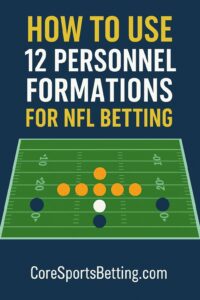
If you’re looking for an overlooked angle that consistently creates value in sports betting markets, understanding how to use 12 personnel formations for NFL betting is one of the most powerful tools you can add to your handicapping process. While most casual bettors focus on quarterbacks, star wideouts, or basic injury reports, sharp bettors know that personnel groupings reveal deep insights into how teams plan to attack each opponent. And among all offensive groupings in today’s NFL, 12 personnel – one running back, two tight ends, and two wide receivers – has become one of the most strategically influential formations used across the league.
What makes 12 personnel so valuable for bettors is that it creates a layer of predictability without becoming predictable. Teams can run or pass equally well from this formation, which forces defenses into uncomfortable decisions. When you understand how a team uses 12 personnel – and how an opponent typically responds – you begin to see exactly where spreads, totals, and player prop lines can be exploited.
In this article, you’ll learn what 12 personnel truly is, why offenses use it, how defenses attempt to counter it, and most importantly, how to use 12 personnel formations for NFL betting in a way that reveals mismatches casual bettors simply never notice. By the end, you’ll be equipped to break down weekly matchups with a level of insight that can directly translate into smarter, more profitable wagers.
What Exactly Is 12 Personnel?
Before you can use 12 personnel effectively in handicapping, it’s essential to understand what the formation means and how NFL coaches use it strategically.
The Meaning Behind the Numbers
Personnel groupings in football are named according to a simple numbering system:
- The first digit = number of running backs
- The second digit = number of tight ends
Thus, “12 personnel” means 1 running back and 2 tight ends. Since every formation includes five eligible receivers, that leaves two wide receivers on the field.
That’s the textbook definition – but the impact of these numbers stretches far deeper.
- Why Offenses Use 12 Personnel
NFL coaches love 12 personnel because it offers the best blend of physicality and flexibility. With two tight ends on the field, the offense can commit to power-running, but it can also line those tight ends up in the slot, attach them to the line, or flex them out wide to create mismatches.
Here’s why 12 personnel has exploded in popularity:
- It Makes the Offense Unpredictable – With two tight ends, the defense doesn’t know whether the offense will run downhill, stretch the edges, or attack the seams in the passing game. This forces defenses into conservative alignments.
- It Creates Natural Blocking Advantages – More big bodies mean more effective run blocking – especially against light boxes from nickel defenses.
- It Enhances Play-Action – Teams running 12 personnel consistently generate higher yards per attempt on play-action passes because defenses are forced to respect the run.
- It Helps Quarterbacks – Two tight ends provide safer, shorter throwing windows for QBs, reducing turnover-worthy plays and increasing efficiency.
- It Forces Defensive Mismatches – Linebackers often struggle to cover athletic tight ends, while safeties can be overpowered in the run game.
These advantages make 12 personnel a formation with direct implications for spreads, totals, and props.
How 12 Personnel Impacts Offensive Production
Understanding how 12 personnel affects offensive efficiency creates a foundation for how to use 12 personnel formations for NFL betting in actual practice. Let’s break down the effects.
The Running Game: More Space, Better Angles
One of the biggest impacts of 12 personnel appears in the running game.
When an offense lines up with two tight ends, defenses must decide whether to bring an extra linebacker into the box or stay in nickel. Either choice creates a problem:
- Bring the linebacker in → Offense uses play-action to attack slower coverage players
- Stay light with a nickel corner → Offense runs power or outside zone directly at an undersized defender
The result is often:
- Increased yards before contact
- Higher success rate
- More consistent early-down gains
This directly affects:
- RB rushing yards props
- Longest rush props
- First half totals
- Time of possession matchups
- Clock-draining unders
Play-Action Success from 12 Personnel
League-wide, teams using 12 personnel in play-action average significantly higher yards per attempt than those using 11 personnel. Defenses hesitate before dropping into coverage, and tight ends can attack soft spots behind linebackers.
For bettors, this means:
- QB longest completion overs become more appealing
- TE receiving props often become mispriced
- Explosive play markets show value
- Team total overs can be more predictable
Red Zone and Goal-Line Efficiency
With extra bulk and extra receiving threats, 12 personnel helps offenses in the red zone.
Advantages include:
- More space for tight end mismatches
- Stronger blocking for inside zone and counter runs
- Cleaner angles for play designs near the goal line
These help bettors cash:
- Anytime TD scorer props
- First TD scorer props
- Red-zone efficiency overs
- Team totals over 1.5 TDs

How to Use 12 Personnel Formations for NFL Betting
Now that we understand why 12 personnel works, the real value comes from learning how to use 12 personnel formations for NFL betting in a step-by-step process.
Step 1: Identify Teams with High 12 Personnel Usage
Before placing any bets, you need to know which teams rely heavily on 12 personnel. Usage can vary from 5% to over 30% depending on the team and matchup.
To do this:
- Go to NFLGSIS, Sharp Football Analysis, or PFF.
- Look at each team’s personnel usage rate for the past several games.
- Make note of teams that increase their 12 personnel rate based on matchup (some offenses only use it against weak linebacker units).
Teams historically known for heavy 12 personnel include:
- Eagles
- Titans
- Chiefs (situationally)
- Patriots
- Cowboys
- Ravens
- Dolphins (recent trend)
Step 2: Compare Opponent Defensive Vulnerabilities
Formation analysis means nothing if you don’t match it with the opponent’s defensive tendencies.
Here’s what to analyze:
- Whether the defense struggles stopping the run against heavier sets
- How linebackers perform in pass coverage
- How often defenders bite on play-action
- How well safeties tackle in space
- Whether the opponent prefers nickel or base defense
For example, if a defense ranks bottom-five in covering tight ends, 12 personnel could be a huge problem for them.
Step 3: Convert the Data Into Betting Opportunities
Once you identify the offensive formation advantage and defensive vulnerability, it’s time to apply it to the betting market. Below is the full breakdown of markets where 12 personnel creates edges.
Spread Betting
Heavy 12 personnel teams often:
- Perform better in time-of-possession
- Keep games closer as underdogs
- Control early downs better
- Keep bad QBs out of long third-downs
To use this angle:
- If the underdog is a 12-personnel team facing a defense weak against the run → consider +spread or 1H +spread
- If the favorite is a strong 12-personnel team facing a light defensive front → consider alternate spreads for value
Totals (Over/Under)
12 personnel affects totals differently depending on coaching style.
- High-efficiency play-action teams → Overs
- Clock-draining run-heavy teams → Unders
So, check:
- Pace of play
- Run/pass ratio
- Early-down pass rate
- Play-action rate
Follow this formula:
- Explosive 12 personnel teams vs bad safeties → lean over
- Power-run 12 personnel teams vs weak DTs → lean under
Prop Bets
Player props are often mispriced because books do not adjust tightly to personnel usage patterns.
You can gain edges in:
RB props
- Rush yards
- Attempts
- Longest rush
TE props
- Receiving yards
- Receptions
- Anytime TD
WR props
- Long receptions in single coverage
- Crossers vs rotated safeties
This is where the formation gives handicappers direct value.
First Half Lines
12 personnel teams often script their best plays early.
How to capitalize:
- Bet 1H team totals over
- Bet 1H spreads on efficient teams
- Take 1H unders on slow, clock-control 12 personnel teams
Real Example of Finding a Betting Edge Using 12 Personnel
Here’s a simplified but realistic example to show how how to use 12 personnel formations for NFL betting.
Game Setup
- Team A uses 12 personnel 28% of the time
- Team B’s defense allows 7.4 YPA vs 12 personnel
- Team B struggles in linebacker coverage
- Team A’s TE has a favorable matchup
Bets That Show Value
- TE receiving yards over
- QB longest completion over
- Team A over 1.5 touchdowns
- Team A +3.5 spread
After analyzing the formation and matchup, each of these bets is +EV.
Advanced Betting Angles Using 12 Personnel
Once you master the basics, you can begin layering additional contextual factors to sharpen your edges even more. These factors are often ignored by sportsbooks and can create undervalued opportunities each week.
Weather and Travel Influence 12 Personnel Value
In bad weather, tight-end-heavy teams maintain efficiency, while pass-heavy teams fall apart.
Use this to find:
- Unders
- Rushing props overs
- Spread value for road dogs
Injured Defenses Are Vulnerable to 12 Personnel
If a defense is missing:
- A starting linebacker
- A coverage safety
- A nose tackle
A 12 personnel attack can dismantle them.
Coaching Tendencies
Some coaches switch into 12 personnel in pressure situations or when protecting leads.
Example:
A team that runs 12 personnel when up by a touchdown → lean under late-game totals
Common Mistakes Bettors Make When Using 12 Personnel Data
Many bettors misunderstand or misuse formation analytics. Knowing the mistakes others make helps you avoid losing bets based on incorrect assumptions.
Mistakes Include:
- Looking Only at Formation Percentages – Usage rate means nothing without context. You must compare it to the opponent’s defensive weaknesses.
- Ignoring Pace of Play – A slow 12 personnel team can drag games under even if the matchup favors scoring.
- Assuming 12 Personnel Equals Slow Football – Some 12 personnel teams are explosive (Eagles, Chiefs).
- Not Checking Play-Action Rate – 12 personnel with no play-action loses most of its value.
- Overreacting to One Game Sample Sizes – Formation usage varies week-to-week based on matchup.
Conclusion
Knowing how to use 12 personnel formations for NFL betting gives you a unique edge that most bettors overlook. By understanding what 12 personnel is, identifying which teams use it, analyzing defensive weaknesses, and applying these insights to spreads, totals, and props, you can consistently uncover mispriced lines and find value in the NFL betting market. Incorporate this approach into your weekly handicapping routine, and you’ll soon notice sharper predictions, better reads, and more profitable outcomes.
Like this article? Pin it on Pinterest!

More to Explore