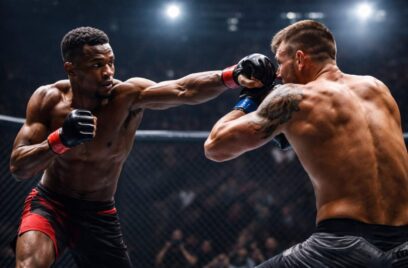
One of the most visible physical differences between fighters inside the UFC octagon is reach. When…
How to Bet MMA Underdogs Using Takedown Defense

MMA is one of the most unpredictable sports in the world – and that unpredictability fuels the dream of catching big underdog winners. But many bettors already know that scoring consistent profits isn’t just about picking longshots at random. It’s about finding angles that the betting markets often overlook. One of the most powerful – and surprisingly underused – angles is takedown defense. In this article, we’ll show you how to bet MMA underdogs using takedown defense as your secret weapon. You’ll learn what the stats mean, why they matter, how to research them, and how to spot fighters who can neutralize even the strongest grapplers. By the end, you’ll have a blueprint for finding fighters that the odds might underestimate.
Why Underdogs Win: Beyond the Odds
Many casual bettors assume the favorite always wins in MMA. But in reality, underdogs win around 30–35% of UFC fights – a significant chunk when you consider how much value lies in plus-money lines.
But why do underdogs win so often in MMA compared to sports like football or basketball?
- Stylistic matchups: MMA isn’t purely about who’s “better” overall. Styles make fights. A fighter who matches up well stylistically – even if technically less skilled – can frustrate a favored opponent and swing the result.
- Small gloves and chaos: One clean shot changes a fight. Smaller gloves mean higher finishing rates and more sudden momentum shifts.
- Takedown defense as a game-changer: Wrestling is a dominant skill in MMA, but when a strong grappler can’t secure takedowns, they’re often forced into a striking match where they might be less comfortable. That’s where takedown defense becomes critical for underdog betting.
This brings us to why learning how to bet MMA underdogs using takedown defense can turn you from a casual bettor into someone who finds hidden edges in the market.
Understanding Takedown Defense Metrics
Before you can leverage takedown defense in betting, you have to understand what the numbers actually mean.
Takedown Defense Percentage (TDD%)
The primary stat you’ll see on sites like UFC Stats is Takedown Defense Percentage. It’s calculated as:
TDD% = 100 × (Takedowns Defended) / (Total Takedowns Attempted Against Fighter)
For example, if a fighter has defended 8 out of 10 takedown attempts in their UFC career, they’d have an 80% TDD rate.
While simple, this stat can sometimes mislead. Why?
- It doesn’t account for who attempted the takedowns. Defending low-level takedowns isn’t the same as stopping a world-class wrestler.
- It ignores how takedowns were defended (hips, footwork, wall-walking).
- It doesn’t show when takedowns were stuffed – early in the fight when fresh, or late when tired.
Beyond TDD%
If you want to master how to bet MMA underdogs using takedown defense, look beyond just the percentage:
- Takedown attempts faced per fight: Some fighters rarely face attempts because opponents fear their striking.
- Scramble ability: Even if taken down, can the fighter explode back up quickly?
- Wall-walking skills: Using the cage to stand up is a huge asset.
- Defensive wrestling credentials: High-level wrestling or judo backgrounds matter.
- Opponent quality: Always check who the fighter defended takedowns against.
How Takedown Defense Impacts Underdog Bets
Here’s why takedown defense is so crucial when betting underdogs:
- Styles Make Fights
The classic underdog opportunity often comes when:
- The favorite is a strong wrestler.
- The underdog is a solid striker with great takedown defense.
If the favorite can’t get the fight to the mat, they may be forced to stand and trade with a superior striker.
- Takedown Defense Keeps Underdogs “Live”
An underdog doesn’t necessarily need to win every round. Stuffing takedowns creates opportunities:
- The crowd responds to takedown defense.
- Judges reward defense and reversals.
- Fighters gain confidence and open up with strikes.
Learning how to bet MMA underdogs using takedown defense is partly about recognizing which fighters can keep the fight standing long enough to land significant damage – or at least avoid dominant top control.
Spotting Valuable Underdogs Using Takedown Defense
Here’s a practical, step-by-step approach to putting this knowledge into action.
Step 1: Identify Wrestling-Heavy Favorites
Start your research by looking for fights where:
- The favorite’s path to victory relies heavily on grappling.
- They have fewer tools on the feet.
Examples of grappling-heavy fighters in the UFC:
- Merab Dvalishvili
- Khamzat Chimaev
- Bo Nickal
These fighters often close as big favorites due to dominant wrestling. But if they can’t secure takedowns, they’re sometimes vulnerable.
Step 2: Research the Underdog’s Takedown Defense Metrics
Visit sites like:
- UFC Stats (free): Official UFC fight metrics, including TDD%.
- FightMetric (historical data, now merged with UFC Stats)
- ESPN MMA Fighter Stats
- MMA-Stats.com (solid advanced stats)
- Tape Index (paid, organizes video clips by category)
Check:
- TDD%
- Total takedowns faced
- Average time controlled on the mat
But numbers alone aren’t enough. Always supplement stats with tape study.
Step 3: Watch Past Fights
Why watch film?
- Stats don’t show technique.
- Fighters evolve. A fighter with poor TDD three years ago may have improved dramatically.
- It reveals context: How were takedowns defended? Did the underdog use underhooks? Sprawl? Cage-walking?
If you want to learn how to bet MMA underdogs using takedown defense effectively, watching past fights is non-negotiable.
Step 4: Analyze Backgrounds and Athletic Traits
Some athletic backgrounds correlate strongly with good takedown defense:
- Wrestling: Superb base, hips, and scrambles. E.g. Kamaru Usman, Colby Covington.
- Judo: Strong balance and trips. Example: Ronda Rousey (offensive), Valentina Shevchenko (defensive).
- Sambo: Combines wrestling and judo. Example: Islam Makhachev, Khabib Nurmagomedov.
- Muay Thai or Kickboxing: Not inherently good at TDD, but top-level strikers often drill defensive wrestling extensively to keep fights standing. Example: Israel Adesanya, Alex Pereira.
So, look for underdogs with these backgrounds – especially wrestlers turned strikers, who blend striking with solid defensive wrestling.
Step 5: Compare Lines and Market Perception
Sometimes sportsbooks overreact to a wrestler’s hype. If the underdog has:
- Good TDD%
- Proven history defending takedowns
- Striking edge
…the underdog might be far more “live” than the odds suggest.

Risks and Caveats
A few important warnings:
- Takedown defense stats can be misleading. A fighter might defend 90% of takedowns – against poor wrestlers.
- Cardio matters. Some fighters defend early takedowns but fade in later rounds.
- Opponent unpredictability. A striker might unexpectedly grapple, or vice versa.
- Judging variability. Even if a fighter defends takedowns, judges sometimes score attempts positively for the aggressor.
Hence, always pair numbers with film study when learning how to bet MMA underdogs using takedown defense.
Conclusion
Takedown defense is one of the sharpest tools an MMA bettor can use – especially when hunting live underdogs. Understanding how fighters keep fights standing, recognizing stylistic traps for wrestling-heavy favorites, and digging into stats and film can help you find valuable betting spots the market often overlooks. Now you know how to bet MMA underdogs using takedown defense – so next time you’re browsing fight odds, don’t just check a fighter’s record. Ask yourself one crucial question: “Can this fighter keep the fight on the feet?”
Start there, and you’ll be well on your way to catching some big underdog tickets.
Like this article? Pin it on Pinterest!


More to Explore