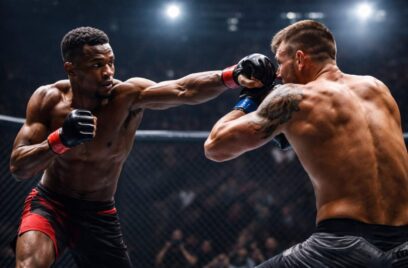
One of the most visible physical differences between fighters inside the UFC octagon is reach. When…
How to Bet Boxing Rematches Using First Fight Film Study: A Complete Bettor’s Blueprint

Boxing rematches are one of the most fascinating – and profitable – markets in all combat sports. Casual bettors often assume the second fight will unfold exactly like the first, but experienced handicappers know that rematches are driven by adjustments, familiarity, psychological shifts, and tactical improvements that can dramatically change the outcome. That’s why learning how to bet boxing rematches using first fight film study can create one of the most consistent edges you’ll find in a sport where small details determine everything.
The public tends to overreact to the result of the first matchup. If Fighter A wins convincingly, bettors assume Fighter A will win again. If Fighter B “looks old,” bettors assume decline is permanent. If the fight ends in a knockout, they expect another knockout. But first-fight results can be misleading and film tells a deeper story than the box score or the official result.
In this article, you’ll learn a complete, step-by-step system for breaking down the first fight, analyzing what’s likely to carry over, what’s likely to change, and how to make smarter wagers on the rematch. By the end, you’ll understand why the first fight happened the way it did – and more importantly, how to spot betting value when the second fight is announced.
Why Rematches Create Unique Betting Opportunities
Most sports bettors rely heavily on historical data, but boxing doesn’t run on clean datasets. Fighters evolve. Trainers change. Styles adjust. Game plans improve or fall apart. And judges score fights differently from night to night.
Rematches create unique opportunities because:
- Fighters know exactly what to expect. The first fight builds familiarity – timing, power, rhythms, tendencies. This familiarity increases predictability if you know how to interpret it.
- Adjustments matter more in boxing than in MMA. In MMA, one punch or one takedown can change everything. Boxing rematches, however, usually come down to strategy and execution across 12 rounds.
- Sportsbooks often misprice rematches by anchoring to the first result. If Fighter A won the first fight easily, they’re frequently overpriced in the rematch – even when the first fight revealed weaknesses. For bettors who know where to look, rematches are full of mispriced opportunities.
What Film Study Reveals That Data Cannot
Statistics can only tell you the number of punches thrown and landed. But film reveals the story behind the numbers, and when trying to understand how to bet boxing rematches using first fight film study, that story is everything.
Pacing and Cardio Trends
Film allows you to identify who controlled the pace, who improved as the rounds went on, and who drained themselves early. Cardio is one of the most repeatable attributes in rematches.
Clean vs. Dirty Contact
CompuBox records punches that touch, not punches that hurt. Film helps you see which blows had meaningful impact.
Reactions to Pressure
Some fighters freeze when pressured. Others thrive. That dynamic tends to repeat itself unless a major tactical change occurs.
Rounding Errors in Judging
Official scorecards don’t capture tactical nuance – film does.
A Step-by-Step Method for Breaking Down the First Fight
It’s important to understand why a structured approach matters. Many bettors casually rewatch the first fight and take mental notes, but real value comes from analyzing the footage in a disciplined, systematic way. The goal is to identify patterns that repeat, mistakes that can be corrected, and weaknesses that are unlikely to change. This section gives you a proven, step-by-step framework for extracting betting intelligence directly from fight footage.
Watch the First Round Twice
The first round is the purest sample of each fighter’s strategy.
How to analyze it:
- On the first viewing, watch for speed, footwork, and comfort.
- On the second viewing, focus on timing: who lands first in exchanges, who countered better, and who controlled distance.
First-round dynamics often repeat in rematches because neither fighter has absorbed damage yet.
Identify Momentum Swings
Momentum shifts reveal who can overcome adversity.
How to analyze it:
- Note the exact moment when control changed.
- Identify the punch type or tactical trigger (body shot? counter right? combination flurry?).
- Track how long momentum stayed with the new fighter.
Momentum swings often predict live-betting value in the rematch.
Evaluate Invisible Damage
The most important blows in boxing are often the ones the judges miss.
How to analyze it:
- Watch for body shots that cause delayed reactions.
- Observe footwork stumbles or guard dropping after punches.
- Track breathing changes between rounds.
These damage indicators heavily influence rematch strategy.
Study Corner Instructions and Between-Rounds Adjustments
Fighters with adaptable corners often win the rematch.
How to analyze it:
- Listen for clear, technical instructions from the trainer.
- Observe whether the fighter implements those adjustments in the next round.
- If they do not follow instructions, that often repeats in the rematch.
Separate Fixable Mistakes from Permanent Issues
This is one of the most important components of how to bet boxing rematches using first fight film study.
Fixable mistakes:
- Poor jab commitment
- Bad foot placement
- Getting lazy late in combinations
Permanent issues:
- Chin decline
- Low endurance ceiling
- Slow reaction time
- Low punch variety
If a fighter lost due to fixable issues, the rematch offers value. If they lost due to permanent issues, the rematch usually won’t change things.

What Changes Most in a Rematch?
Before analyzing lists of potential changes, it’s important to understand the logic behind rematch adjustments. Fighters don’t become different athletes overnight – what changes are tactics, pacing, and strategy. A fighter who was bullied in the first fight doesn’t suddenly become the bully, but they may implement new approaches to neutralize their opponent’s strengths.
Here’s what most commonly changes:
Tactical Adjustments
A boxer who lost may:
- Use more movement
- Increase jab volume
- Stay off the ropes
- Avoid trading in the pocket
These changes can swing a rematch entirely.
Conditioning Improvements
If the first fight exposed gas tank problems, a motivated fighter can improve stamina noticeably.
New Trainer or Camp
A new trainer introduces new angles, output patterns, and defensive habits.
Punch Resistance
This rarely improves. If a fighter was badly hurt in fight one, the rematch is dangerous for them.
How Judges From Fight #1 Will Score Fight #2
Before listing scoring factors, understand that judging is one of the most reliable repeat variables in boxing rematches. If judges favored aggression in the first fight, they usually will again – especially if the fight is in the same location.
Factors that repeat:
Style Preference
Some judges prefer:
- Clean counterpunching
- Pressure fighting
- Body work
- Ring generalship
Rewatch fight one to identify what style they rewarded.
Geography Bias
If the rematch is in the same city, the scoring tendencies often stay the same.
Interpreting Wide or Close Scorecards
A wide card in a competitive fight is often misleading. A close card in a fight dominated by one fighter tells another story.
Film resolves these inconsistencies.
Statistical Data to Pair With Film Study
Before diving into stats, it’s important to note that numbers complement film – they do not replace it. When learning how to bet boxing rematches using first fight film study, the most powerful edge comes from understanding where film and data overlap.
Punch Volume Trends – Track volume round by round to identify fading patterns.
Accuracy vs. Efficiency – Accurate fighters often win close rematches by edging clean scoring shots.
Power Punch Exchanges – Power exchanges often dictate the rematch’s pacing; if one fighter dominated the pocket, that’s tough to reverse without major adjustments.
Betting Strategies for the Rematch
Bettors often overweigh the first fight’s outcome while undervaluing the process behind it. The following strategies are built on the exact principles discussed throughout this article – tactical habits, momentum patterns, endurance, adaptation, and permanent weaknesses.
- Bet on the Fighter With More Correctable Mistakes
If a fighter lost due to fixable errors – poor footwork, lack of jab, bad pacing – they often offer value in the rematch.
How to execute:
- List the fighter’s errors from the first fight.
- Identify which errors are technical (fixable) vs. physical (permanent).
- Bet them only if their fixable mistakes were the main reason for losing.
- Totals (Over/Under) Based on Pacing and Damage
If the first fight was cautious, expect a slower second fight.
If both fighters took heavy damage early, expect a faster and more violent rematch.
How to execute:
- Track whether pace increased or decreased across rounds.
- Compare early-round impact to late-round fatigue.
- Bet totals based on whether output rose or fell.
- Live Betting Opportunities in Rematches
Because familiarity speeds up adjustments, rematches tend to reveal momentum patterns faster.
How to execute:
- Bet after the first clear momentum swing.
- Fade fighters who show cardio collapse early.
- Increase stake on fighters who controlled distance from fight one.
- Prop Bets: Method of Victory, Knockdowns, and Point Spreads
Prop markets often lag behind film insights.
How to execute:
- If Fighter A repeatedly hurt Fighter B in fight one → KO/TKO value.
- If Fighter B repeatedly outjabbed Fighter A → decision value.
- Track knockdown likelihood from fight one’s exchanges.
This section also includes your third body use of the keyword how to bet boxing rematches using first fight film study.
Common Mistakes Bettors Make in Rematches
Before listing the mistakes, it’s important to understand that most losing rematch bets come from simple logical errors – overreacting to headlines, ignoring film details, or assuming a fighter “just had an off night.” These mistakes are completely avoidable when film study is done correctly.
Mistakes Include:
- Ignoring tactical adjustments
- Overvaluing the first winner
- Underrating conditioning issues
- Misreading scoring dynamics
- Assuming power translates the same way
- Forgetting age-related decline
Conclusion
Boxing rematches reward bettors who think beyond the result of the first fight. They reveal whether fighters can adapt, whether weaknesses are permanent or temporary, and whether judging tendencies will repeat. When you understand how to bet boxing rematches using first fight film study, you’re no longer guessing – you’re interpreting patterns, identifying value, and capitalizing on advantages long before the lines adjust.
Like this article? Pin it on Pinterest!


More to Explore