One of the most visible physical differences between fighters inside the UFC octagon is reach. When…
How NHL Teams Perform After 3 Game Road Trips Betting Strategy: A Data-Driven Guide for Bettors
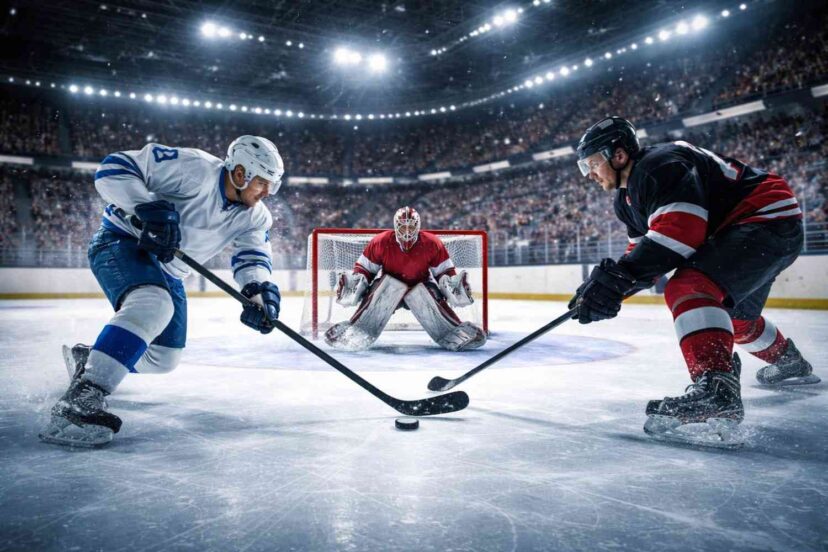
The NHL schedule presents unique challenges that many bettors underestimate. Unlike sports with fewer games or limited travel, NHL teams regularly cross multiple time zones, play several games within a short span, and deal with physical and mental fatigue that can influence performance. Understanding these scheduling dynamics can provide valuable betting insight. One of the most overlooked and profitable situational angles involves examining how NHL teams perform after 3 game road trips betting strategy concepts and identifying when the betting market misprices those teams. By recognizing fatigue patterns, market tendencies, and recovery timelines, bettors can uncover value opportunities that are not immediately obvious from standings or recent results alone.
This article will explain why three-game road trips matter, how teams typically perform upon returning home, and how you can implement a structured betting strategy based on these situations.
Why NHL Road Trips Impact Team Performance
Road travel affects NHL teams in several ways, both physically and mentally. While professional athletes are highly conditioned, repeated travel still creates measurable performance effects.
Physically, travel disrupts recovery routines. Players spend hours on airplanes, often arriving late at night, which reduces sleep quality. Even when teams travel comfortably, sleep cycles are affected, especially when crossing time zones. The body requires consistency for optimal recovery, and travel disrupts that consistency.
Mental fatigue also plays a role. Players must adjust to unfamiliar arenas, crowd noise, and travel logistics. These disruptions can affect reaction time, decision-making, and overall execution on the ice. Hockey is a fast-paced sport that relies heavily on timing and coordination, and even slight reductions in sharpness can impact outcomes.
In addition, practice routines are often reduced during road trips. Teams prioritize travel and recovery over structured practices, which can affect execution, especially for teams relying on structured defensive systems.
Sportsbooks account for many variables when setting betting lines, but fatigue is difficult to quantify precisely. This creates situations where betting lines may not fully reflect the true condition of a team returning from a demanding road trip.
Why 3 Game Road Trips Represent a Critical Threshold
Not all road trips affect teams equally. One-game or two-game trips generally do not create significant fatigue. Players remain relatively fresh, and travel stress is minimal.
Longer trips of five games or more often receive attention from bettors and sportsbooks. Because these extended trips are obvious sources of fatigue, betting markets typically adjust lines accordingly.
Three-game road trips occupy a unique middle ground. They are long enough to create real fatigue, but not long enough to attract widespread attention from the betting market. This creates a subtle inefficiency.
By the third game of a road trip, players have experienced:
- Multiple flights
- Disrupted sleep cycles
- Reduced practice time
- Continuous competitive stress
However, sportsbooks often focus more heavily on recent wins and losses rather than the fatigue accumulated during travel. As a result, teams returning from three-game road trips may be priced based on performance outcomes rather than underlying physical condition.
This creates opportunities for bettors who understand how NHL teams perform after 3 game road trips betting strategy principles and incorporate scheduling context into their decision-making.
How Teams Typically Perform in Their First Game Back Home
The first game back home following a road trip is often misunderstood by bettors. Many assume returning home provides an immediate advantage, but performance trends frequently suggest otherwise.
Returning home introduces its own adjustment period. Players must readjust to home routines, sleep schedules, and practice environments. While home ice advantage is real over the long term, it does not always provide immediate benefits following travel.
Several factors contribute to reduced performance in the first game back:
- Fatigue accumulation remains present. Travel fatigue does not disappear instantly upon returning home. Physical recovery often requires one to two days.
- Mental relaxation can occur after returning home. Players may experience a temporary drop in urgency following the completion of a road trip.
- Disrupted practice routines can affect timing and coordination.
Because bettors tend to focus on home ice advantage, sportsbooks often price returning teams as favorites. This creates situations where teams may be slightly overpriced relative to their true performance potential.
This pattern is a key component of understanding how NHL teams perform after 3 game road trips betting strategy analysis.
Why Performance Often Improves in the Second Game Back
While the first game back can present challenges, performance often improves significantly in the second home game following a road trip.
By this point, players have had additional time to recover physically and mentally. Sleep cycles normalize, practice routines resume, and physical recovery improves.
This creates an interesting shift in betting value. The market may downgrade a team based on poor performance in the first game back, even though recovery has progressed significantly.
This creates situations where teams may offer value in their second home game, particularly if they are priced as slight underdogs or modest favorites.
Understanding this recovery timeline allows bettors to anticipate performance improvements before the betting market fully adjusts.
How Sportsbooks and Public Bettors Misprice These Situations
Sportsbooks set betting lines based on numerous factors, including team strength, recent performance, injuries, and betting action. However, travel fatigue is not always perfectly reflected in betting lines.
Public bettors tend to focus heavily on recent wins and losses. If a team performs well during a road trip, public perception often remains positive. This can result in betting lines that reflect recent success rather than current fatigue levels.
This creates situations where returning teams may be overpriced in their first home game.
Additionally, public bettors frequently overvalue home ice advantage without considering recovery timelines. While home ice advantage is meaningful, it does not guarantee peak performance immediately following travel.
These market tendencies create value opportunities for disciplined bettors who understand scheduling dynamics.
Best Situations to Consider Betting Against Returning Teams
Certain situations increase the likelihood that a team returning from a three-game road trip may underperform. Recognizing these scenarios can help bettors identify valuable opportunities.
The following situations are particularly important to monitor, and each can be identified using publicly available schedule and betting information.
First, identify teams returning home as moderate or heavy favorites. When a team returning from travel is favored significantly, the betting line may reflect public perception rather than physical condition. You can find this information by checking NHL schedules on NHL.com and comparing moneyline odds on sportsbooks.
Second, pay attention to teams returning from travel involving multiple time zones. Cross-country trips often produce greater fatigue due to disrupted sleep patterns. For example, an East Coast team returning from a West Coast trip may face greater adjustment challenges.
Third, review the number of games played within a short timeframe. If a team played three games in four nights, fatigue effects are amplified.
Fourth, examine goalie usage. If the starting goalie played multiple games during the road trip, performance may decline due to fatigue.
Each of these factors increases the probability that the returning team may be overpriced in the betting market.
Best Situations to Consider Betting on Returning Teams
While the first game back can present challenges, there are situations where returning teams offer value.
These opportunities typically occur after recovery has progressed and market perception remains overly negative.
The most favorable situation involves the second home game following the road trip. By this point, players have recovered significantly, and performance levels often return to normal.
You can identify these situations by reviewing team schedules and noting the sequence of home games following travel.
Another favorable situation occurs when the returning team is priced as an underdog. If the betting market focuses heavily on fatigue without recognizing recovery progress, value opportunities may exist.
Goalie rotation is also important. If the starting goalie was rested during the first home game and returns in the second, performance potential improves significantly.
Recognizing these recovery-based value situations is an essential component of applying how NHL teams perform after 3 game road trips betting strategy concepts effectively.
Step-by-Step Betting Strategy You Can Implement
To use this strategy effectively, you must follow a structured process rather than relying on intuition. This ensures consistency and reduces emotional decision-making.
Begin by reviewing NHL schedules daily using NHL.com or a sportsbook schedule page. Identify teams that have just completed a three-game road trip and are returning home.
Next, determine whether the upcoming game is the first or second home game following the road trip. This distinction is critical because performance patterns differ significantly between these two situations.
Then, review the betting line for the game. If the returning team is favored heavily in their first home game, this may represent a potential fade opportunity.
Also examine travel distance and rest days. Teams returning from long travel distances with limited rest are more likely to underperform.
Finally, track your results over time. Record each qualifying situation, the betting line, and the outcome. This allows you to measure the effectiveness of the strategy and refine your approach.
This structured method helps ensure you apply how NHL teams perform after 3 game road trips betting strategy principles consistently and objectively.

Real NHL Example Illustrating This Pattern
Consider a hypothetical example involving the Boston Bruins completing a three-game West Coast road trip.
Suppose the Bruins played games in San Jose, Los Angeles, and Anaheim over five days before returning home to face the Detroit Red Wings.
Despite returning home, the Bruins may still experience fatigue from travel and schedule disruption. If sportsbooks list the Bruins as a heavy favorite based on overall team strength, the betting line may not fully reflect fatigue effects.
If the Bruins underperform in this first home game, their betting line may become more favorable in their second home game, creating a potential value opportunity.
This pattern occurs regularly throughout NHL seasons and provides consistent opportunities for disciplined bettors.
Why This Strategy Can Provide Long-Term Value
Sports betting markets are efficient but not perfect. Certain situational factors, such as travel fatigue and recovery timelines, are difficult to quantify precisely.
Because public bettors focus heavily on recent results and home ice advantage, subtle scheduling factors are often overlooked.
This creates small but meaningful inefficiencies that disciplined bettors can exploit over time.
By consistently identifying teams returning from three-game road trips and evaluating their recovery timeline, bettors can make more informed decisions and avoid overpriced favorites.
Over the long term, identifying these situations can improve betting efficiency and reduce exposure to unfavorable betting lines.
Conclusion
NHL travel schedules create performance patterns that are often misunderstood by the betting market. Three-game road trips, in particular, represent an important threshold where fatigue accumulates but is not always fully reflected in betting lines.
Teams frequently underperform in their first home game after travel due to fatigue and disrupted routines. However, performance often improves significantly in subsequent games as recovery progresses.
By applying a structured approach and understanding how NHL teams perform after 3 game road trips betting strategy concepts, bettors can identify situations where betting lines do not fully reflect a team’s true performance potential.
Over time, incorporating scheduling analysis into your betting strategy can provide a meaningful edge and help you make more informed wagering decisions.
Like this article? Pin it on Pinterest!


More to Explore