Sports betting trends can look incredibly convincing when they are presented as a winning percentage. A…
The Hidden Value of Betting Against Tired MLB Bullpens
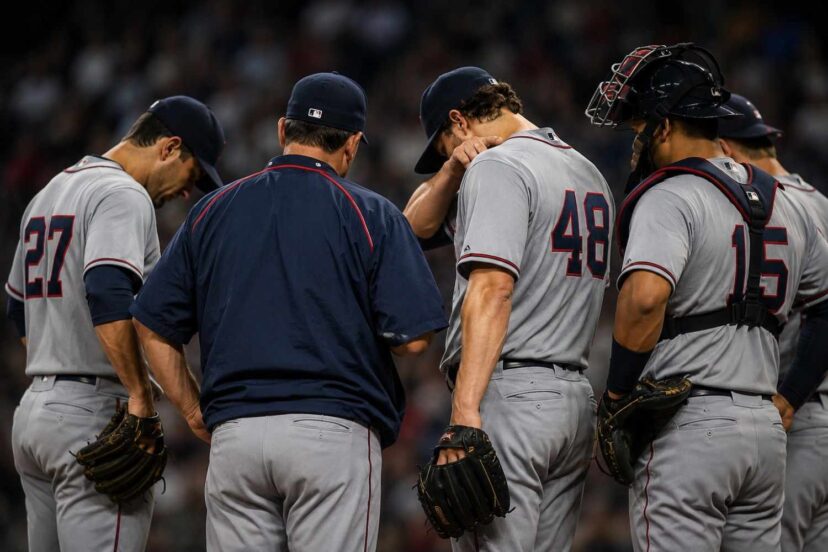
Most baseball bettors spend the majority of their time studying starting pitchers. They analyze ERA, WHIP, strikeout rates, pitch velocity, and matchup history while trying to determine which team has the edge. While those factors certainly matter, many MLB games are no longer decided primarily by the starting pitchers. Modern baseball has evolved into a game where bullpens often determine the outcome during the final three or four innings.
That shift has created an overlooked opportunity for disciplined bettors. One of the most underrated strategies in baseball wagering involves betting against tired MLB bullpens when relievers have been overworked during recent games. Public attention often remains focused on starting pitching matchups and season-long bullpen rankings, while recent workload fatigue receives far less discussion.
The reality is that even elite relievers become less effective when used heavily over several days. Closers may lose a little velocity, setup men may struggle with command, and managers may become hesitant to use certain arms after extended workloads. Those small changes can create hidden value before sportsbooks fully adjust their lines.
Understanding bullpen fatigue is not about blindly fading every team after a long game. Instead, it involves recognizing situations where exhaustion, travel, scheduling pressure, and recent usage patterns quietly reduce bullpen effectiveness. Over the course of a long MLB season, those situations appear far more often than many bettors realize.
Why Bullpens Matter More Than Ever in Modern Baseball
The importance of bullpens has increased dramatically over the last decade. Starting pitchers rarely throw complete games anymore, and many managers are satisfied if their starter delivers five or six quality innings before turning the game over to the bullpen.
That trend has changed how baseball games unfold. A bettor who handicaps only the starting pitching matchup may ignore nearly half the game. If a starting pitcher exits after five innings with a small lead, the bullpen suddenly becomes the deciding factor.
Teams now rely heavily on specialized relievers. One pitcher may face left-handed hitters in the seventh inning while another handles the eighth before the closer enters during the ninth. During long stretches of games without off days, those relievers can become heavily overworked.
Bullpen fatigue becomes even more important during the middle months of the season. Summer schedules are demanding. Teams frequently play 13 or 14 games in a row, travel across multiple time zones, and deal with weather delays, extra innings, and short turnarounds between games.
Managers may publicly claim their bullpen is available, but usage patterns often tell a different story. A closer who has pitched three times in four days may technically be available, yet the manager may avoid using him unless absolutely necessary. That can force weaker middle relievers into high-pressure situations.
This is where betting value can begin to appear. Sportsbooks certainly account for bullpen quality overall, but short-term fatigue is more difficult to price accurately on a daily basis.
What Actually Makes a Bullpen “Tired”?
Many bettors think bullpen fatigue simply means a closer pitched the previous night. In reality, bullpen exhaustion is usually the result of accumulated stress over several games rather than one isolated appearance.
Understanding what truly drains a bullpen can help bettors recognize vulnerable situations before the betting market reacts.
Back-to-Back Appearances
Pitching on consecutive days is one of the simplest indicators of possible fatigue. Relievers throwing at maximum effort often need recovery time, especially after stressful outings with runners on base.
The situation becomes more concerning when a reliever pitches three times within four days or appears in multiple high-pressure innings during a short period. Managers may still use those pitchers, but effectiveness can gradually decline.
Velocity drops may be minor, sometimes only one mile per hour, but even small decreases can impact strikeout ability and pitch movement. Command often suffers first. Walks increase, pitches miss intended locations, and hard contact becomes more common.
High Pitch Counts
Not all bullpen appearances are equal. A clean nine-pitch inning creates far less fatigue than a stressful 32-pitch outing filled with jams and long at-bats.
When evaluating bullpen fatigue, looking only at appearances can be misleading. Pitch counts matter significantly.
A reliever who threw 28 pitches on Monday and 24 pitches on Wednesday may already be operating near his limit by Friday, even if he technically had an off day in between.
Long innings can also create hidden exhaustion. A reliever who repeatedly warms up in the bullpen before entering the game may effectively throw far more pitches than the official count indicates.
Extra-Inning Games
Extra innings can quietly destroy bullpen depth for several days afterward.
A 12-inning or 13-inning game often forces managers to use nearly every available reliever. Even if the team wins, the bullpen may enter the next game severely depleted.
This creates excellent opportunities for betting against tired MLB bullpens because sportsbooks and casual bettors frequently focus on the previous game’s final score rather than the bullpen cost required to achieve that result.
Middle relievers become especially important after extra-inning games. If the closer and setup men are unavailable, managers may rely on pitchers who normally work in lower-pressure situations.
Travel and Scheduling Pressure
Travel is another overlooked factor during the MLB season.
Late-night games followed by flights to another city can reduce recovery time for relievers. Cross-country travel creates even greater stress, especially when teams move between the West Coast and East Coast.
Day games following night games are another important angle. Relievers who pitched late the previous evening may have very little recovery time before the next first pitch.
Over the course of a six-month season, those scheduling disadvantages add up.
The Hidden Problem With Overused Closers
Closers receive enormous attention from baseball bettors. Many fans trust dominant ninth-inning relievers almost automatically, especially when evaluating favorites.
That trust can create inflated confidence in teams whose bullpens may not actually be operating at full strength.
An elite closer pitching for the fourth time in five days is not necessarily the same pitcher he was earlier in the week. Fatigue can gradually impact command, pitch location, and consistency.
One important detail many bettors overlook is that closers rarely work alone. The setup men pitching before them are equally important. If those bridge relievers are unavailable due to recent workload, managers may need to expose weaker bullpen depth earlier in the game.
This is why betting against tired MLB bullpens can produce value even when the closer technically remains available.
A bullpen often weakens gradually rather than collapsing suddenly. The warning signs may include:
- More walks than usual
- Increased hard-hit contact
- Managers avoiding certain relievers
- Relievers pitching in unfamiliar innings
- Lower strikeout rates
- More inherited runners scoring
These are subtle indicators, but over time they matter greatly.
Another important factor is managerial decision-making. A manager protecting an exhausted bullpen may leave a struggling starter in the game too long simply because reliable bullpen arms are unavailable.
That hesitation can create live betting opportunities as well.
How to Identify Bullpen Fatigue Before Placing a Bet
Recognizing bullpen fatigue requires consistency and attention to detail. Fortunately, the information is widely available if bettors know where to look.
The goal is not simply identifying which bullpen has pitched recently. Instead, the objective is understanding which team may be entering the game with reduced flexibility and limited late-inning options.
Study Recent Reliever Usage
One of the best habits bettors can develop is reviewing bullpen usage from the previous three to five games before making a wager.
Sites like MLB.com, ESPN, FanGraphs, and Baseball Reference provide detailed game logs that show appearances and pitch counts.
When reviewing bullpen usage, focus on the following questions:
- Did the closer pitch yesterday?
- Has the setup man worked multiple games in a row?
- Did the bullpen cover several innings recently?
- Were there extra-inning games during the series?
- Are multiple relievers approaching heavy workloads?
Patterns begin to appear quickly.
Separate Season Statistics From Current Conditions
Season-long bullpen ERA can be misleading.
A bullpen ranked among the league’s best may still be vulnerable during a specific stretch if key relievers are overworked.
This is similar to evaluating a starting pitcher with strong season numbers who may currently be struggling with velocity or command. Recent condition often matters more than long-term averages.
Many betting markets react slowly to temporary bullpen fatigue because season statistics remain attractive on paper.
Watch Bullpen Games Carefully
Bullpen games can create hidden fatigue for several days afterward.
If a team uses seven or eight relievers in one game, the bullpen may be severely compromised for the next series.
Managers may attempt to protect their top relievers the following day, which increases the likelihood that weaker bullpen arms see meaningful innings.
This can be especially important when the betting favorite owns the tired bullpen. Public bettors frequently back stronger teams without considering recent bullpen usage.
The Best Situations for Fading Tired Bullpens
Certain MLB scheduling spots create especially favorable situations for bullpen fatigue.
These are not automatic betting systems, but they are valuable situations worth monitoring throughout the season.
After Extra-Inning Games
Extra innings remain one of the strongest indicators of potential bullpen exhaustion.
When teams burn through multiple relievers late at night, recovery becomes difficult, especially during long road trips.
The next day’s game may feature reduced bullpen availability, lower velocity, and altered managerial strategies.
During Long Stretches Without Off Days
Teams playing 12 or 13 consecutive games often experience bullpen fatigue regardless of bullpen quality.
Even elite relievers need recovery time during a long season.
As the schedule tightens, managers become more cautious with bullpen usage, and weaker relievers begin appearing in larger roles.
Following Emotional Series
Emotionally intense rivalry series can quietly increase bullpen usage.
Managers are often more aggressive in close games against division rivals, using top relievers earlier than usual to secure important wins.
That aggression can leave the bullpen vulnerable during the next series.
Doubleheaders and Weather Delays
Doubleheaders frequently exhaust pitching staffs.
Rain delays create additional complications because starting pitchers may exit early, forcing bullpens to cover unexpected innings.
These situations can create strong opportunities for bettors who consistently monitor recent bullpen usage.

Common Mistakes Bettors Make When Evaluating Bullpens
Bullpen betting angles can be profitable, but several common mistakes reduce effectiveness.
One major mistake is assuming every tired bullpen will collapse immediately. Baseball remains highly unpredictable, and even exhausted relievers can still produce clean outings.
Another mistake involves overreacting to one bad appearance. Bullpen fatigue is usually more about long-term consistency than isolated failures.
Some bettors also focus too heavily on closers while ignoring middle relievers. In many cases, the sixth and seventh innings determine whether a closer even receives a save opportunity.
Timing matters as well. Once betting markets heavily adjust toward bullpen fatigue, much of the value may disappear.
The goal is identifying exhaustion before the broader market fully reacts.
Conclusion
Bullpen fatigue has become one of the most overlooked factors in modern baseball betting. While many bettors remain focused primarily on starting pitching matchups, late-inning bullpen performance often determines the final outcome.
The long MLB season creates countless situations where relievers become overworked due to travel, extra innings, compressed schedules, and repeated high-pressure appearances. Those situations can quietly reduce bullpen effectiveness long before public perception changes.
Betting against tired MLB bullpens is not about blindly fading every team after a busy week. The real value comes from recognizing workload patterns, understanding bullpen depth, and identifying situations where managers may have limited late-inning options.
Over time, bettors who consistently track bullpen usage can uncover opportunities that many others overlook. In a sport filled with daily games and constant schedule pressure, bullpen fatigue remains one of the most useful hidden angles available to disciplined baseball bettors.
Before You Go…
Get Weekly Winning Angles Delivered to You
Enjoy this article? Join the Core Sports Betting newsletter where we break down actionable strategies, betting angles, and real-game insights.
Some of the concepts we touch on each week can evolve into full handicapping systems – the kind you can test, refine, and potentially build into long-term edges.
Simple. Practical. No fluff.
Proven Sports Betting Courses
Looking to go deeper?
Our step-by-step courses are built around structured systems – not guesses or opinions. Each course has been backtested over a minimum of 10 years, giving you a clear understanding of how the strategy has performed over time.
If you’re serious about improving your process, these courses show you exactly how to approach betting with discipline and structure.
Free Betting Calculators to Sharpen Your Edge
Want to make smarter, faster decisions?
Our free tools help you quickly calculate odds, payouts, and true value — without the guesswork.
Try these popular calculators:
- Moneyline Calculator
- Parlay Calculator
- No-Vig Odds Calculator (Find True Odds)
- Kelly Criterion Calculator
→ Visit the Betting Tools Hub to access all calculators
Like this article? Pin it on Pinterest!


More to Explore