Golf tournaments present bettors with a challenge that is different from many other sports. The playing…
MLB Pitcher Strikeout Prop Betting Tips
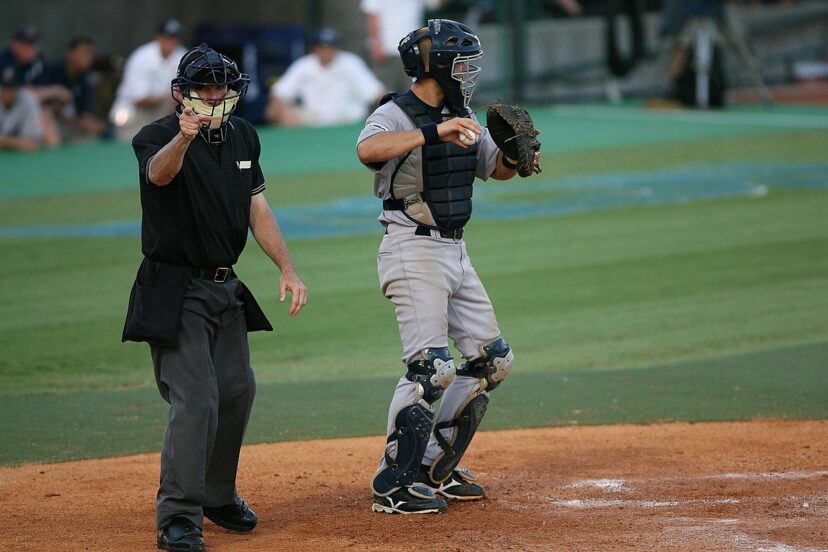
If you’re looking to expand your MLB betting beyond moneylines and totals, player props – especially strikeout totals – can offer tremendous value and a lot of fun. Knowing when and how to bet these markets can separate recreational bets from a real betting edge. That’s why we’ve put together this comprehensive guide on MLB pitcher strikeout prop betting tips to help you time your wagers, analyze key factors, and avoid common pitfalls. Whether you’re a beginner or a seasoned handicapper, these MLB pitcher strikeout prop betting tips will sharpen your approach and potentially boost your profits.
What Are MLB Strikeout Prop Bets?
MLB strikeout props are a type of player prop bet where you wager on how many strikeouts a pitcher will record in a game. Sportsbooks typically set a line – for example:
- Gerrit Cole O/U 6.5 strikeouts
You decide whether the pitcher will go over or under that total. Odds are often around -110 on either side but can vary based on matchup and betting action.
Why Bettors Love Strikeout Props:
- Smaller betting markets –sharper bettors can exploit them. Strikeout props don’t attract as much betting volume as big markets like moneylines or totals, meaning sportsbooks sometimes put up softer lines. Sharp bettors who study pitcher stats and matchups can find valuable edges that go unnoticed in these smaller markets.
- Highly data-driven. Betting strikeout totals is perfect for data lovers because it hinges on measurable stats like strikeout rates, swinging strike percentages, pitch usage, and batter tendencies. This wealth of data allows handicappers to make precise predictions rather than relying on gut feelings.
- Often mispriced when lineups or conditions change late. Lineups and weather conditions can shift just hours – or even minutes – before first pitch. A key hitter sitting out or sudden changes in wind direction can drastically alter a pitcher’s strikeout outlook, creating opportunities for some handicappers to capitalize before sportsbooks adjust their lines.
If you enjoy digging into stats and trends, strikeout props will prove to be interesting.
Factors That Influence Strikeout Totals
When hunting for value in strikeout props, you should go beyond basic pitcher stats. Let’s break down the biggest factors shaping these bets.
- Pitcher Matchups
Pitchers’ strikeout rates (K%) are crucial. But equally important is the opposing team’s strikeout tendencies. A pitcher with a solid K-rate facing a swing-happy lineup offers a strong betting opportunity.
Consider:
- Team strikeout rate vs. righties/lefties
- Batter contact rates and whiff percentages
- Historical splits (e.g. home/road, day/night)
Example: Dylan Cease may average 10.5 K/9, but if he’s facing the Guardians, who rank among MLB’s lowest strikeout teams, you might look under his prop total.
- Umpire Data
Few handicappers realize just how influential the home plate umpire can be.
- Wide strike zones can lead to more strikeouts
- Tight zones can lead to fewer strikeouts
Sites like Umpire Scorecards or Swish Analytics track umpire tendencies, showing whether they favor pitchers or hitters. Many handicappers believe a borderline-strike ump behind the plate can add 1+ strikeout to a pitcher’s projection over a full game.
- Weather Conditions
Weather matters for pitching props:
- Cooler temps lead to denser air, resulting in less carry on batted balls and often higher strikeout rates.
When the temperature drops, the air becomes denser, which reduces how far the ball travels. This can make it harder for hitters to drive the ball, leading to more strikeouts as pitchers can challenge them without as much risk of giving up extra-base hits. - Wind blowing in from the outfield tends to reduce balls in play and contribute to more strikeouts.
Strong winds pushing toward home plate suppress offense by knocking down fly balls, which means hitters are less likely to make productive contact. This environment often favors pitchers and can increase their strikeout totals. - Hot, humid weather causes the ball to travel farther, resulting in more contact and generally fewer strikeouts.
In warm and humid conditions, the ball carries better through the air, helping hitters drive pitches more effectively. This typically leads to fewer strikeouts as batters make more solid contact and put more balls in play.
Always check:
- Temperature
- Humidity
- Wind direction and speed
These can subtly shift strikeout projections.
- Recent Pitcher Form
Some bettors look only at seasonal averages. Don’t make that mistake. Focus on how a pitcher has performed over their last 3–5 starts:
- Increased velocity can lead to a possible strikeout boost.
When a pitcher is throwing harder than usual, it often means their pitches are livelier and harder for hitters to time. Higher velocity can generate more swings and misses, increasing the likelihood of piling up strikeouts in a game. - Recent injuries may result in declining effectiveness.
A pitcher coming off an injury might struggle with command, stamina, or pitch quality. Even if they’re back on the mound, lingering physical issues can make them less capable of getting batters out, reducing their strikeout potential. - Workload concerns could cause an early hook from the manager.
Managers are often cautious with pitchers who have thrown many innings recently or are nearing career highs in workload. To protect their arms, they might be pulled earlier than usual, limiting the chance to rack up strikeouts.
Example: A pitcher whose velocity dropped from 96 mph to 93 mph might struggle to put hitters away, risking the under.
- Line Movement & Market Timing
Knowing when to bet is crucial in strikeout props. Lines often move substantially between release and game time. Here’s why:
- Early sharp money might pound soft lines
- Late lineup news can swing strikeout projections
- Casual bettors push overs closer to first pitch
Betting early often unlocks softer lines – but carries risk if lineup surprises emerge.
Tools & Resources for Betting K Props
To bet MLB pitcher strikeout props effectively, you need access to high-quality data and tools that help you analyze matchups from every angle. Here’s a deeper look at some of the best resources and how each one helps sharpen your betting edge:
FanGraphs
FanGraphs is one of the most respected baseball analytics sites and is invaluable for prop bettors. Here’s what you’ll find useful:
- Pitcher Splits: View how pitchers perform against right-handed vs. left-handed batters, which is crucial since some pitchers dominate one side of the plate but struggle against the other.
- Strikeout Rates (K%): Check both season-long and recent K% for pitchers. You can also see historical data to spot long-term trends.
- Plate Discipline Metrics: Metrics like O-Swing % (chase rate), SwStr % (swinging strike rate), and contact rates help predict how likely a pitcher is to generate strikeouts against specific lineups.
FanGraphs also offers rolling charts to track how a pitcher’s stats have trended over the past few weeks – a goldmine for spotting pitchers heating up or cooling off.
Baseball Savant
Baseball Savant, run by MLB, provides ultra-detailed statcast data. For strikeout props, you’ll want to explore:
- Whiff %: Shows how often hitters swing and miss at a pitcher’s pitches, broken down by pitch type.
- Swing %: Helps identify how aggressive or patient opposing batters are.
- Heat Maps: Visual charts showing where a pitcher locates his pitches and how hitters perform against pitches in different zones.
For instance, you might discover that a pitcher’s slider generates a 50% whiff rate when thrown low and away – useful when analyzing matchups against lineups that struggle with sliders.
Savant’s search tools also let you isolate stats for particular pitch types, count situations, or batter handedness, which is perfect for fine-tuning your projections.
Umpire Scorecards
This resource tracks umpire tendencies behind the plate and publishes detailed reports after every game. Key data for K prop bettors includes:
- Strike Zone Size: Some umpires consistently call a larger zone, which benefits pitchers and leads to more strikeouts.
- Favorability Metrics: Umpire Scorecards provide numerical ratings indicating how much an umpire favors pitchers or hitters overall.
- Missed Call Rates: Helps you avoid betting overs on pitchers stuck with notoriously tight umpires who squeeze them on borderline pitches.
Knowing the home plate umpire can often be the difference between cashing an over or suffering a frustrating under.
Rotowire / Rotogrinders
These sites specialize in DFS and betting content, but they’re also excellent sources for:
- Confirmed Lineups: A lineup with high-contact hitters might lower a pitcher’s strikeout ceiling, while a lineup featuring backup players or strikeout-prone bats could boost it.
- Player News and Injuries: Late-breaking news about a pitcher’s health, pitch counts, or a star hitter sitting out can dramatically alter a strikeout prop’s outlook.
- Projections: Both sites publish daily strikeout projections, which are helpful for sanity-checking your own research.
Following lineup alerts in real-time helps you react quickly to valuable betting opportunities.
Odds Comparison Sites
Finally, never underestimate the power of shopping for the best price. Odds comparison sites like the below sites allow you to see strikeout prop odds across multiple sportsbooks.
- OddsJam
- Action Network’s Props Comparison Tool
- OddsTrader
For example, you might find:
- DraftKings → Over 5.5 Ks at -105
- FanDuel → Over 5.5 Ks at +115
That difference can significantly impact your bottom line over time. Even a small shift in juice or half a strikeout can mean the difference between profit and long-term losses.
Many of these resources are free and absolutely essential for serious prop betting. The edge in betting strikeout props comes from putting together a complete picture using these tools, rather than relying solely on basic stats or intuition. By leveraging these sites, you’ll be far better prepared to identify value and make smart wagers in the highly competitive world of MLB pitcher strikeout props.

Exact Strategy for Betting MLB Pitcher Strikeout Props
Now that we’ve covered all the key factors and tools, it’s time to tie everything together into a practical, repeatable approach. This is your step-by-step blueprint for betting MLB pitcher strikeout props with confidence.
However, it’s important to remember that even the best strategy needs testing before you risk real money. Consider paper trading – tracking hypothetical bets without staking actual cash – or backtesting this process against historical data. This helps you see whether the strategy would have been profitable over previous games and seasons. By practicing and refining your approach first, you’ll gain valuable experience and avoid costly mistakes when you eventually bet for real.
Think of this as your roadmap for turning raw data and insights into well-informed wagers, rather than relying on gut feelings or hype. Let’s dive into how to put it all into action.
- Pick Your Pitchers
- Check daily slate for strikeout-heavy pitchers.
- Look for pitchers with K/9 above ~9.0 or elite swinging strike rates.
- Analyze Opponent Team
- Review opposing lineup’s strikeout rates vs righties/lefties.
- Identify teams with high whiff rates.
- Check Umpire Assignments
- See who’s behind the plate.
- If the umpire has a wide zone: lean over.
- If tight: be cautious on overs.
- Evaluate Weather
- Wind in: helpful for overs.
- Wind out: lean under.
- Extreme temps: you may need to adjust projections.
- Check Recent Form
- Look at past 3–5 starts for velocity dips, fatigue, or workload.
- Avoid overs on struggling pitchers.
- Monitor Lineups
- Confirm lineup vs. pitcher handedness.
- If stars sit out (a big contact hitter rests), a pitcher’s K projection rises.
- Shop Lines Early
- Compare sportsbooks. Sometimes you’ll see:
- DraftKings: Over 6.5 (-105)
- FanDuel: Over 6.5 (+115)
- That difference is your edge.
- Adjust Bet Size
- Bet larger when multiple factors align (weak lineup, favorable ump, good weather).
- Stay smaller on borderline spots.
- Track Results
- Record your bets, closing lines, and outcomes.
- Look for long-term trends:
- Which pitchers beat projections often?
- Which umpires consistently influence totals?
Example of Applying This Strategy
Let’s say Kevin Gausman is scheduled to pitch:
- Gausman averages 10.8 K/9
- Facing Mariners who have a strikeout-prone lineup
- Umpire has a 10% higher strikeout rate than league average
- Cool weather, slight wind in
- Gausman’s velocity stable over last 5 starts
- Mariners lineup confirmed with key hitters in
Opening line:
- Over 6.5 Ks at -105
Action: Bet Over 6.5 at -105 before line moves. By game time, line may be O/U 7.5, losing value.
Common Mistakes to Avoid
Even experienced bettors slip up in the strikeout prop market. Here’s what to watch for:
- Blindly betting overs on big names. (Books set high lines on aces.)
- Ignoring lineup changes – stars sitting can swing outcomes.
- Overreacting to one hot/cold start – trust long-term trends and projections.
- Failing to shop lines – differences of 20–30 cents can make or break profitability.
- Chasing after steam without checking if news justifies the move.
Avoid these pitfalls to keep your edge sharp.
Conclusion
MLB pitcher strikeout props can be incredibly rewarding for handicappers who put in the research. Understanding matchups, umpire data, weather, and line movement is crucial. By following our exact strategy and these MLB pitcher strikeout prop betting tips, you’ll be far better prepared to spot value and avoid the traps that snare casual bettors.
Before You Go…
Get Weekly Winning Angles Delivered to You
Enjoy this article? Join the Core Sports Betting newsletter where we break down actionable strategies, betting angles, and real-game insights.
Some of the concepts we touch on each week can evolve into full handicapping systems – the kind you can test, refine, and potentially build into long-term edges.
Simple. Practical. No fluff.
Proven Sports Betting Courses
Looking to go deeper?
Our step-by-step courses are built around structured systems – not guesses or opinions. Each course has been backtested over a minimum of 10 years, giving you a clear understanding of how the strategy has performed over time.
If you’re serious about improving your process, these courses show you exactly how to approach betting with discipline and structure.
Free Betting Calculators to Sharpen Your Edge
Want to make smarter, faster decisions?
Our free tools help you quickly calculate odds, payouts, and true value — without the guesswork.
Try these popular calculators:
- Moneyline Calculator
- Parlay Calculator
- No-Vig Odds Calculator (Find True Odds)
- Kelly Criterion Calculator
→ Visit the Betting Tools Hub to access all calculators
Like this article? Pin it on Pinterest!


More to Explore