Golf tournaments present bettors with a challenge that is different from many other sports. The playing…
Advanced Sports Betting Techniques for Parlays

Parlay betting is an exciting way to amplify potential winnings in sports betting. By combining multiple individual bets into a single wager, the payout potential increases exponentially. However, with greater rewards comes greater risk. Advanced sports betting techniques for parlays can help bettors manage that risk, maximize returns, and increase the odds of success. In this article, we will explore five advanced parlay betting strategies, including a detailed breakdown of the Kelly Criterion for bet sizing, designed to elevate your betting game.
What Is a Parlay Bet?
Before diving into advanced strategies, it’s important to understand the basic concept of parlay betting. A parlay bet involves combining multiple individual bets into a single wager. All selections must win for the parlay to pay out. The more legs (individual bets) you add to the parlay, the higher the potential payout, but the risk also increases.
For example, a parlay might consist of three separate bets: one on the moneyline, another on the point spread, and a third on the total score. If all three of these bets are successful, the parlay bet pays out at odds higher than if the individual bets were placed separately. While parlays can be thrilling, they are inherently more difficult to win than single bets because of the cumulative risk.
Now, let’s move on to how you can employ advanced sports betting techniques for parlays to increase your chances of profitability.
5 Advanced Parlay Betting Strategies
Correlated Parlays
Correlated parlays are one of the most advanced and effective strategies for parlay betting. The idea behind a correlated parlay is to combine bets that are likely to happen together, thereby improving the probability of hitting the parlay. For example, if you bet on a football team to cover the spread and also bet that the total score of the game will go over a certain number, these two bets are correlated because a high-scoring game is likely to lead to the team covering the spread.
Why Correlated Parlays Work
When you place a correlated parlay, the individual bets are linked in a way that increases the chances of success. In contrast, traditional parlays often involve independent events, which have lower probabilities of all winning. By focusing on correlated outcomes, you are essentially betting on scenarios where the individual events support one another.
However, sportsbooks typically lower the payout on correlated parlays since they recognize that the likelihood of success is higher. Still, if you can identify key correlations in games (such as the over/under on a high-scoring match), these parlays can still be lucrative. It’s important to find opportunities where the correlation makes logical sense based on the game’s context – look for factors like team trends, matchups, and weather conditions.
Same Game Parlays (SGPs)
Same Game Parlays (SGPs) have become a popular method for advanced bettors, thanks to sportsbooks allowing multiple bets from the same game to be combined into one parlay. SGPs provide bettors with the ability to wager on various outcomes within the same game, such as the point spread, total points, individual player props, and more.
How to Build a Profitable Same Game Parlay
To create a successful SGP, start by analyzing key aspects of the game. If a team has a strong offensive lineup, look for individual player props that align with that strength, such as over on total yards or over on touchdowns. At the same time, consider adding a bet on the total points scored in the game, as a high-scoring affair would support the offensive strength of the team.
The key to a profitable SGP is research. Dive deep into the game’s dynamics. Is one team likely to control possession? Will one team’s defense struggle to contain an opposing player? This information will guide you in selecting correlated bets for your parlay.
Risks of Same Game Parlays
While Same Game Parlays can offer attractive payouts, they also come with a higher risk since all legs must win. The addition of multiple bets within the same game might seem to improve your chances, but if one leg fails, the entire parlay is lost. SGPs are great for high-risk, high-reward betting, but it’s important to manage your bankroll carefully when using this strategy.

Progressive Parlays
Progressive parlays are a strategy designed to increase your chances of winning while managing risk. The idea behind a progressive parlay is that you start with a smaller parlay, and if it wins, you reinvest your winnings into a larger parlay. Essentially, you’re building your bankroll by compounding the profits from previous successful parlays.
How Progressive Parlays Work
Imagine starting with a simple 2-leg parlay. If you win, take your winnings and roll them into a 3-leg parlay. If that bet is successful, roll the entire amount into a 4-leg parlay. As the parlay grows, so does the potential payout. The key to this strategy is to not get too greedy – start small and progressively increase your bet size while maintaining consistent profits.
This strategy minimizes risk early on because you’re only putting a small amount of money into the first parlay. But as you accumulate winnings, you can start targeting larger parlays with more legs, which, while riskier, could result in significant payouts.
Managing Risks in Progressive Parlays
The biggest challenge with progressive parlays is avoiding the temptation to bet larger than you should. Progressive parlays require discipline. If you lose one parlay along the way, you lose everything you’ve accumulated, which could be devastating to your bankroll. Keep your stakes within reason, and only progress when you’re confident in your ability to pick winners.
Hedging Parlays
Hedging is a strategy used by advanced sports bettors to lock in a guaranteed profit or minimize losses by placing additional bets on opposing outcomes. In the context of parlays, hedging involves placing bets on a different outcome in one of your parlay legs after part of the parlay has already won.
When to Hedge a Parlay
Let’s say you’ve placed a 4-leg parlay, and three legs have already won. At this point, you can hedge your bet by placing a single bet against the remaining leg of your parlay. If the last leg of the parlay wins, you’ll collect the parlay payout. But if it loses, the hedge bet helps to offset some of the loss.
Hedging can help mitigate the risk of losing a large parlay bet, especially in situations where one leg of the parlay is uncertain or vulnerable (for example – due to injuries or weather conditions). While it may reduce potential profits, hedging is a smart way to secure some profit or limit a loss.
Considerations When Hedging Parlays
The key to successful hedging is timing. You need to know when it’s best to hedge and by how much. Hedging too early can lock you out of a big payout, while hedging too late may not leave you with enough time to minimize losses. Understanding the odds and calculating your potential payout will help guide your hedge decisions.
Using the Kelly Criterion for Bet Sizing
The Kelly Criterion is a powerful mathematical formula used to determine the optimal bet size relative to your bankroll. It helps bettors maximize long-term growth by balancing the risk of loss with the potential reward.
How the Kelly Criterion Works
The Kelly Criterion formula is:
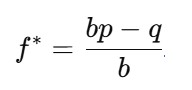
Where:
- f∗ is the fraction of your bankroll to wager.
- b is the decimal odds you are betting on (odds minus 1).
- p is the probability of winning.
- q is the probability of losing (1 – p).
The formula helps you calculate the percentage of your bankroll to wager on a given bet based on the odds and your assessment of the probability of winning. The higher the probability of winning, the more you can bet, but if the odds are unfavorable, the Kelly Criterion advises betting a smaller amount.
Applying the Kelly Criterion to Parlays
In parlay betting, the Kelly Criterion can help determine the optimal stake for each leg of the parlay. However, since parlays are riskier than single bets, you must apply the formula carefully. Bettors often use a “fractional Kelly” approach (betting half or a quarter of the calculated Kelly amount) to manage the heightened risk associated with parlays.
Using the Kelly Criterion in parlay betting can help prevent overexposure to risk and ensure that you’re not betting too much relative to your bankroll. It’s a strategy designed to maximize long-term profitability, but it requires precise knowledge of probabilities and odds to be effective.
Conclusion
Advanced sports betting techniques for parlays can take your betting strategy to the next level. Whether you’re employing correlated parlays, same game parlays, progressive parlays, hedging, or using the Kelly Criterion, these techniques can help you manage risk while increasing the chances of profitable outcomes. As with any betting strategy, discipline and careful bankroll management are essential. While parlay betting offers substantial rewards, it also involves significant risk, and advanced strategies can help you strike a balance between the two.
By mastering these strategies and incorporating them into your sports betting repertoire, you’ll be better equipped to navigate the exciting world of parlays and boost your chances of long-term success.
Backtesting a strategy is always recommended. Before betting on parlays or any other betting method, it is crucial to backtest thoroughly. By testing your strategies with historical data, you can identify potential weaknesses, optimize your approach, and increase the likelihood of success when you start placing real bets.
Before You Go…
Get Weekly Winning Angles Delivered to You
Enjoy this article? Join the Core Sports Betting newsletter where we break down actionable strategies, betting angles, and real-game insights.
Some of the concepts we touch on each week can evolve into full handicapping systems – the kind you can test, refine, and potentially build into long-term edges.
Simple. Practical. No fluff.
Proven Sports Betting Courses
Looking to go deeper?
Our step-by-step courses are built around structured systems – not guesses or opinions. Each course has been backtested over a minimum of 10 years, giving you a clear understanding of how the strategy has performed over time.
If you’re serious about improving your process, these courses show you exactly how to approach betting with discipline and structure.
Free Betting Calculators to Sharpen Your Edge
Want to make smarter, faster decisions?
Our free tools help you quickly calculate odds, payouts, and true value — without the guesswork.
Try these popular calculators:
- Moneyline Calculator
- Parlay Calculator
- No-Vig Odds Calculator (Find True Odds)
- Kelly Criterion Calculator
→ Visit the Betting Tools Hub to access all calculators
Like this article? Pin it on Pinterest!


More to Explore